Celebrating the Importance of Moths
Two weeks ago we celebrated National Moth week, a week recognized by over 90 countries that’s focused on the education, celebration, and documentation of moths and what they do for our environment. Karen and I have attended our local Moth Week event - the Moth Ball in Lincoln, MA - and learned a bounty of information about moths by entomologist Teá Montagna. The Moth Ball is co-sponsored by Grow Native Massachusetts and Tending Your Yard, Tending The Earth. Let’s continue the celebration with some fun facts about moths!
Moths are important pollinators.
Bees and butterflies are what usually come to mind when we think of pollinators, but moths are crucial pollinators as well! Many plants rely on moths for pollination, especially those that bloom at night, as many moths are nocturnal. Moths can sometimes even be more effective pollinators than other insects because their long tongues allow them to reach nectar deep inside tubular flowers that other pollinators can't access and many species of moth are very fuzzy, allowing them to trap high quantities of pollen.
They're a vital food source.
Moths play an important role in the food web. Caterpillars provide a protein-rich meal for birds raising their young, while adult moths are an important food source for bats, frogs, spiders, and other wildlife. A healthy moth population supports countless other species.
Moths aren’t attracted to light - they’re confused by it.
Have you ever wondered why nocturnal moths are so entranced by lightbulbs and lamps? It turns out that moths navigate the darkness using the light of the moon as their compass. When a bright light that isn't the moon is visible to them, it overrides their sense of direction, causing them to act abnormally around this artificial light.
Not all moths are nocturnal.
While many species are most active after sunset, plenty of moths fly during the day.
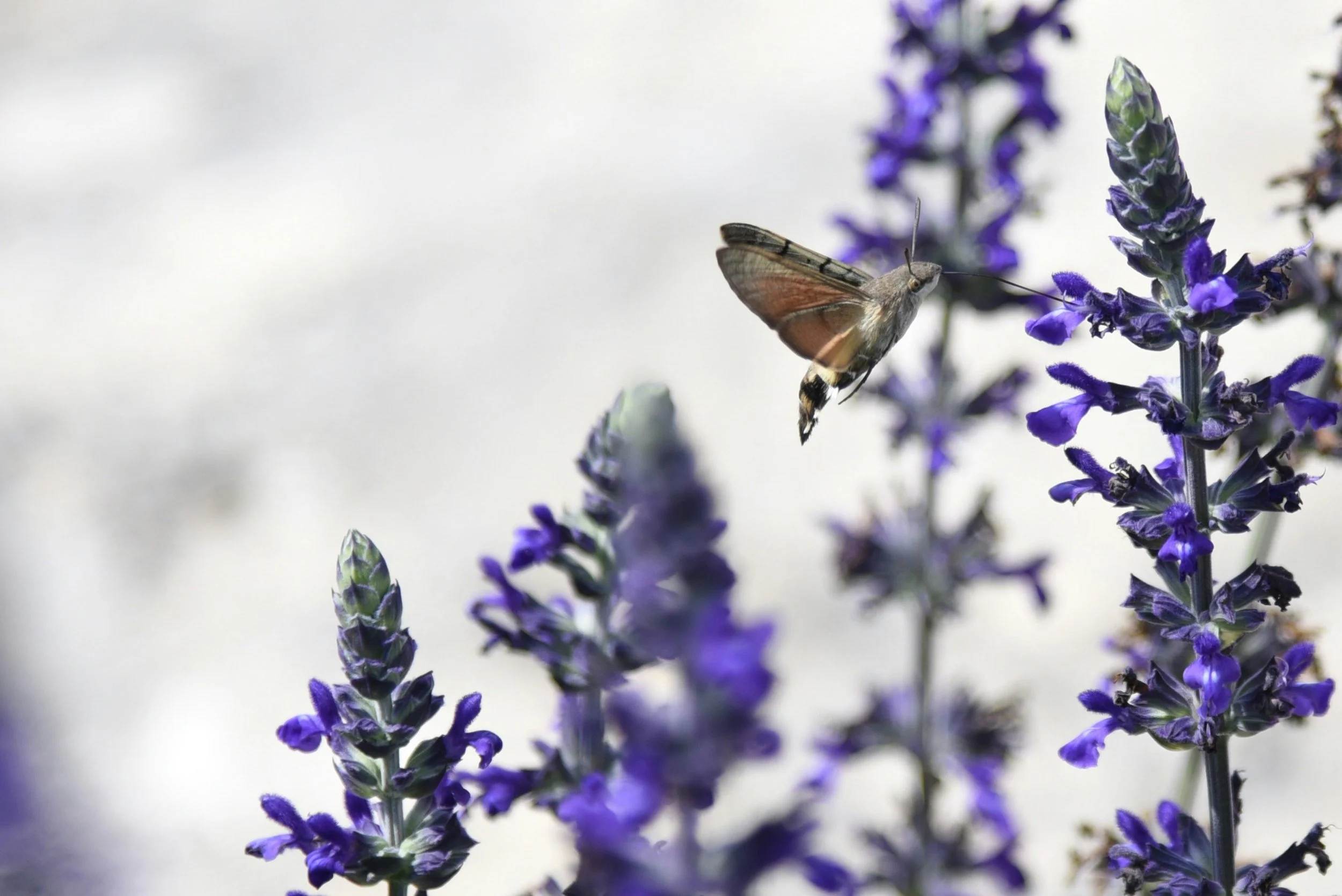
One of my favorite moth species, the hummingbird moth, is often mistaken for a hummingbird as it hovers over flowers in broad daylight.
Moths can be absolutely beautiful.
At the Moth Ball, white screens are put up with lights shining through them to draw moths in. As the night goes on, more and more species of moths attach to the screen, a bounty of species that are absolutely ethereal. Moths display an incredible range of colors, patterns, and sizes. Looking closely reveals just how stunning they really are.
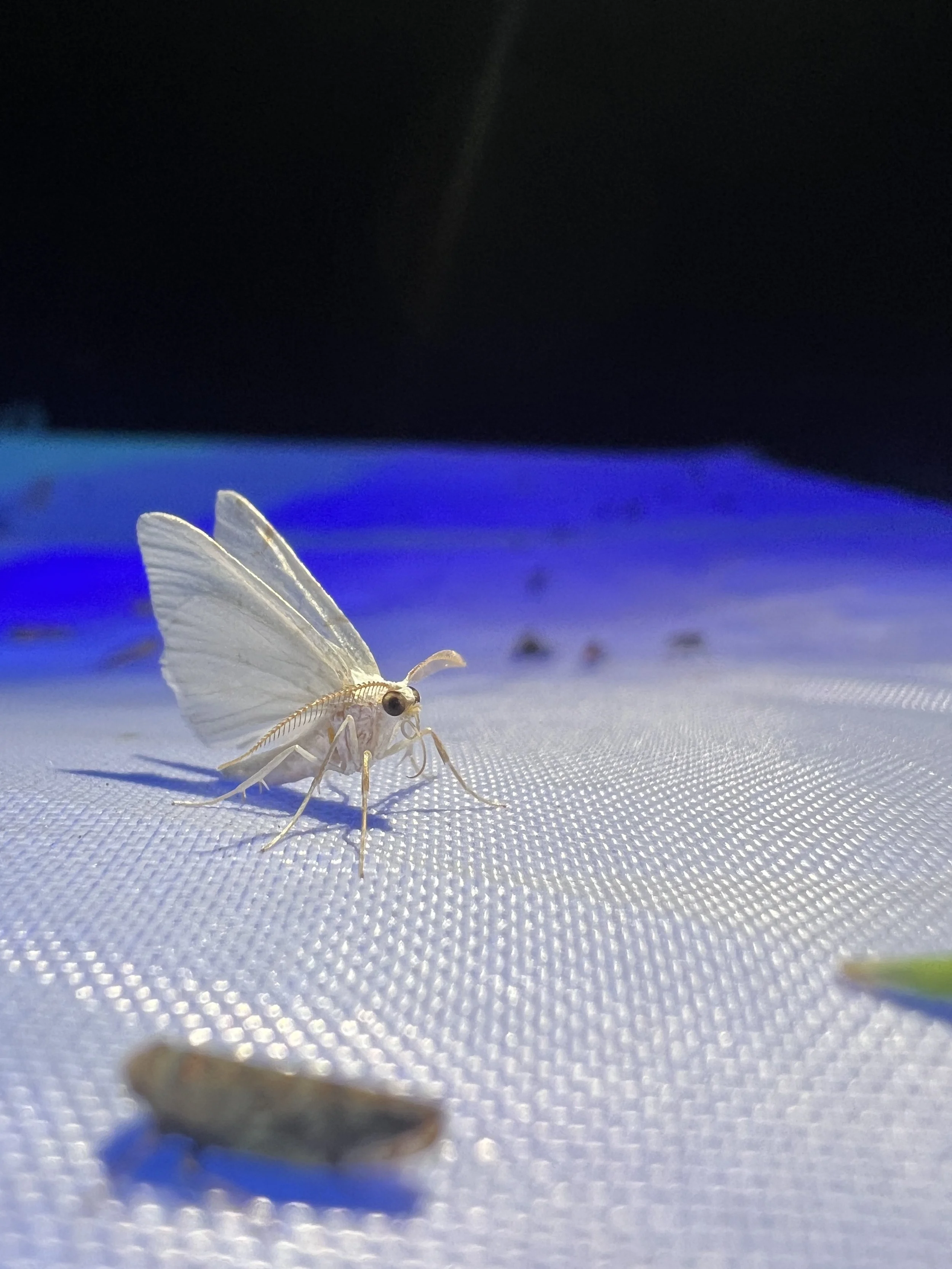
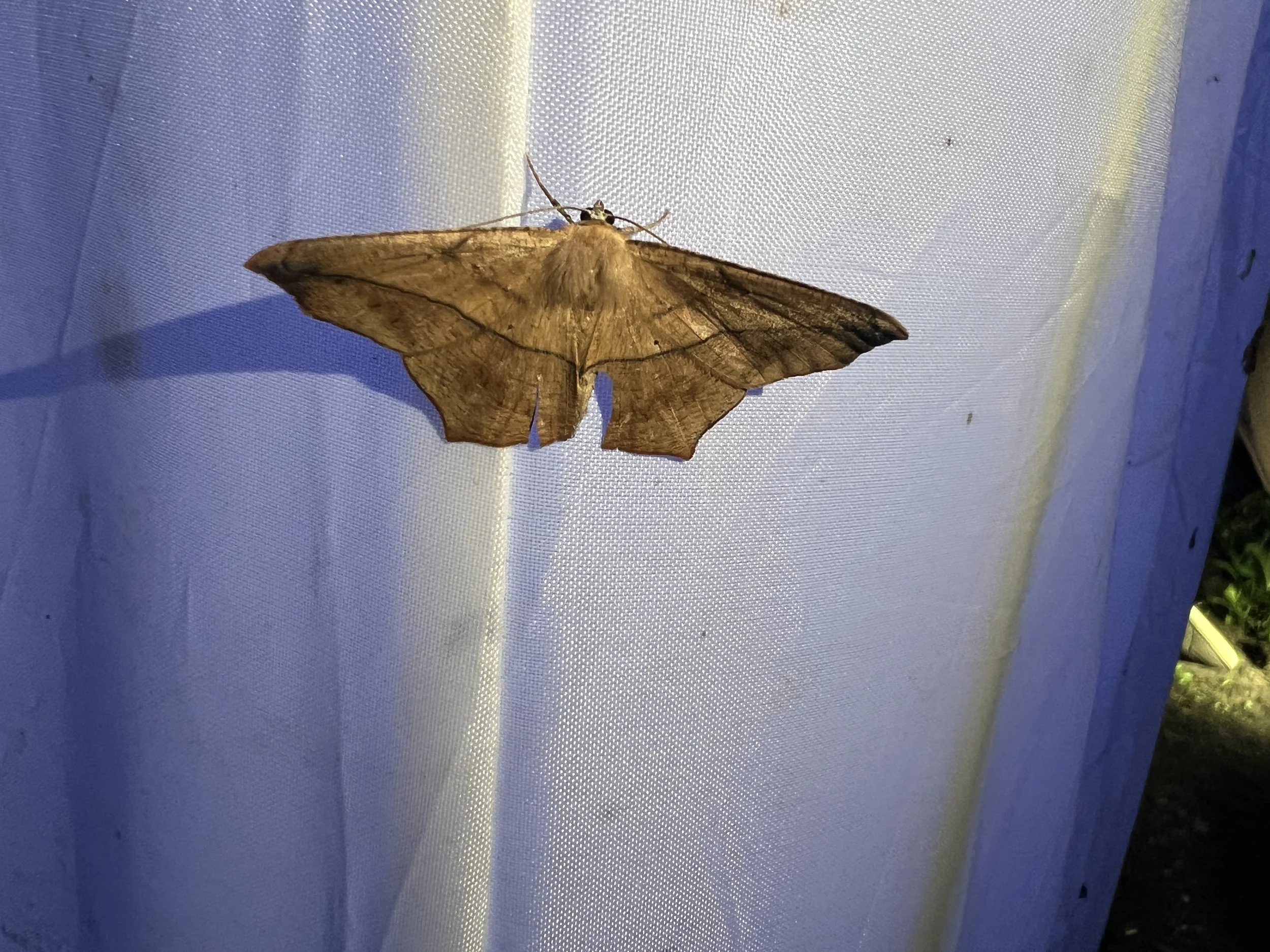
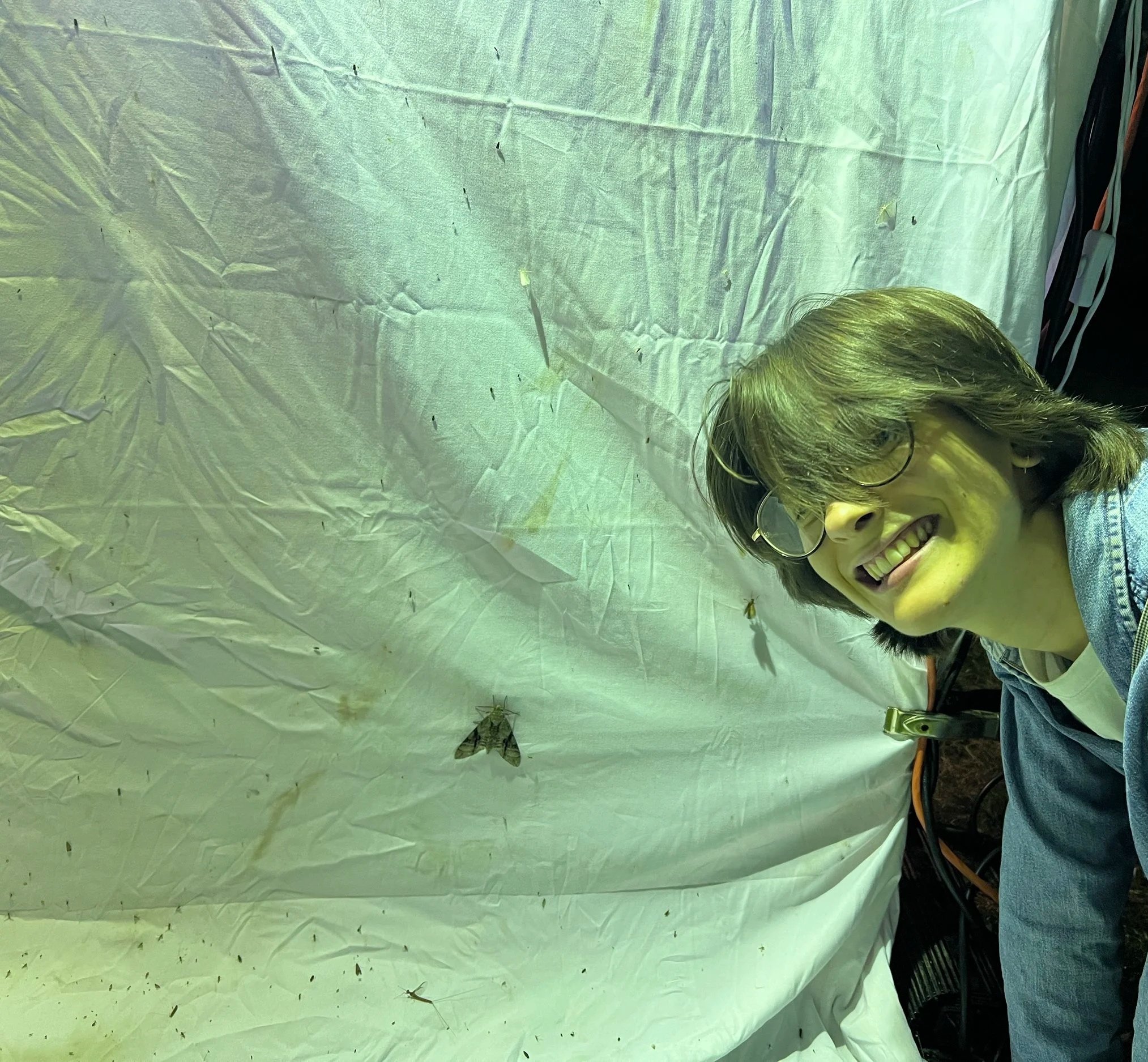
Events like the Moth Ball remind us that there's an entire world of wildlife that comes alive after dark. By taking a closer look at these often-overlooked insects, we gain a greater appreciation for the important role they play in supporting healthy ecosystems.
The next time you see a moth resting on your porch light or fluttering through the evening garden, take a moment to admire it. It just might be one of your garden’s most important pollinators.