It’s Time To Start Your Own Seeds!
If you’re in the Greater Boston area, late winter is the perfect time to start thinking about starting seeds for this upcoming gardening season. Starting seeds gives you a head start on the growing season, especially in climates like Zone 6 where the outdoor window can feel short. By starting plants indoors, you can grow stronger, healthier transplants that are ready to thrive as soon as conditions are right outside. Seed starting also opens up a much wider selection of varieties than you’ll typically find at garden centers—heirlooms, unique colors, specialty crops, and native plants. Seed starting is more cost-effective than buying mature seedlings, allows you to control soil quality and growing practices from day one, and creates a deeper connection to your garden as you nurture plants from their very first leaves.
With the average last frost date typically falling between mid-April and early May, now is when the season truly begins—indoors. Let’s break down what to start now, how to set up grow lights, and some tips of the trade!
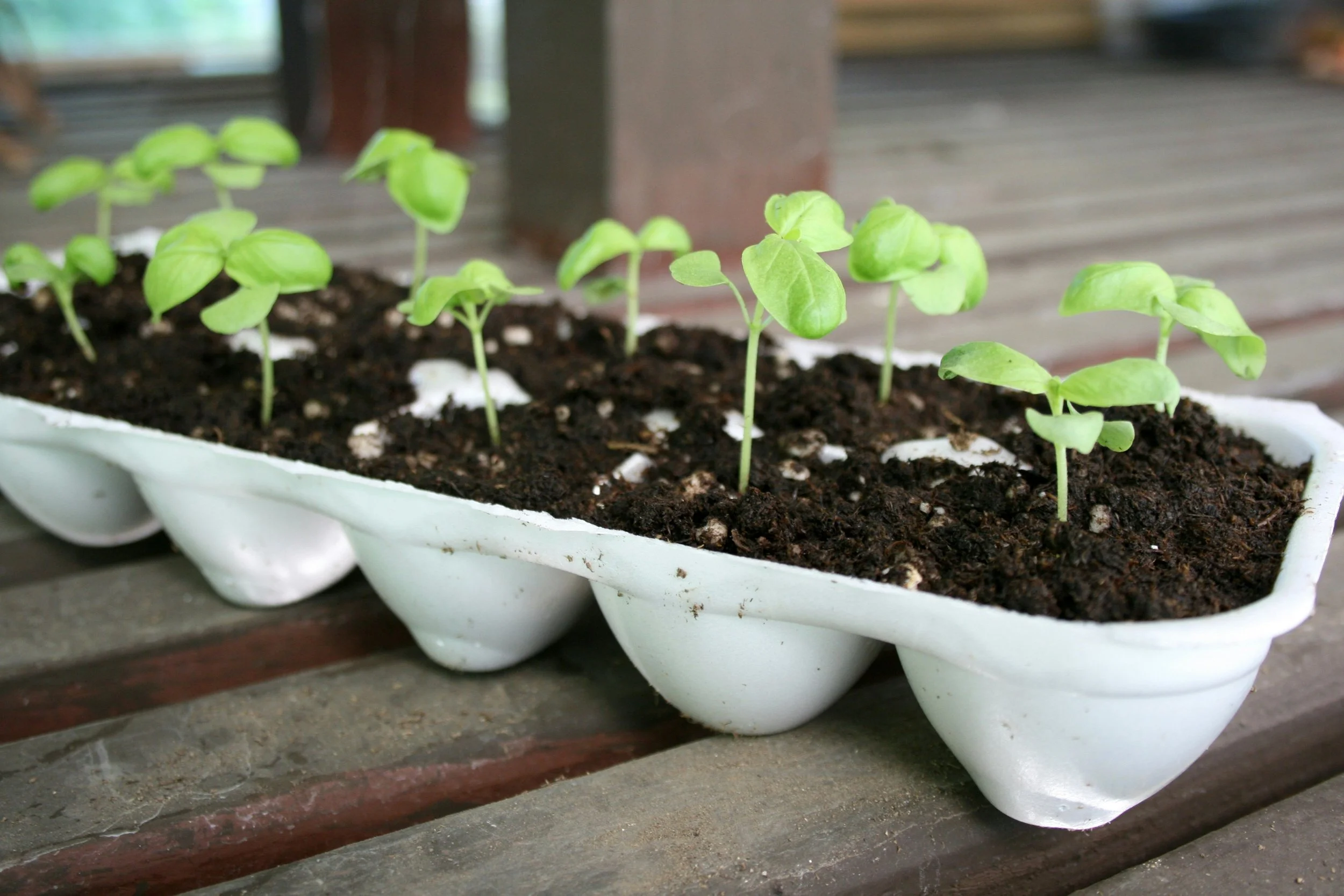
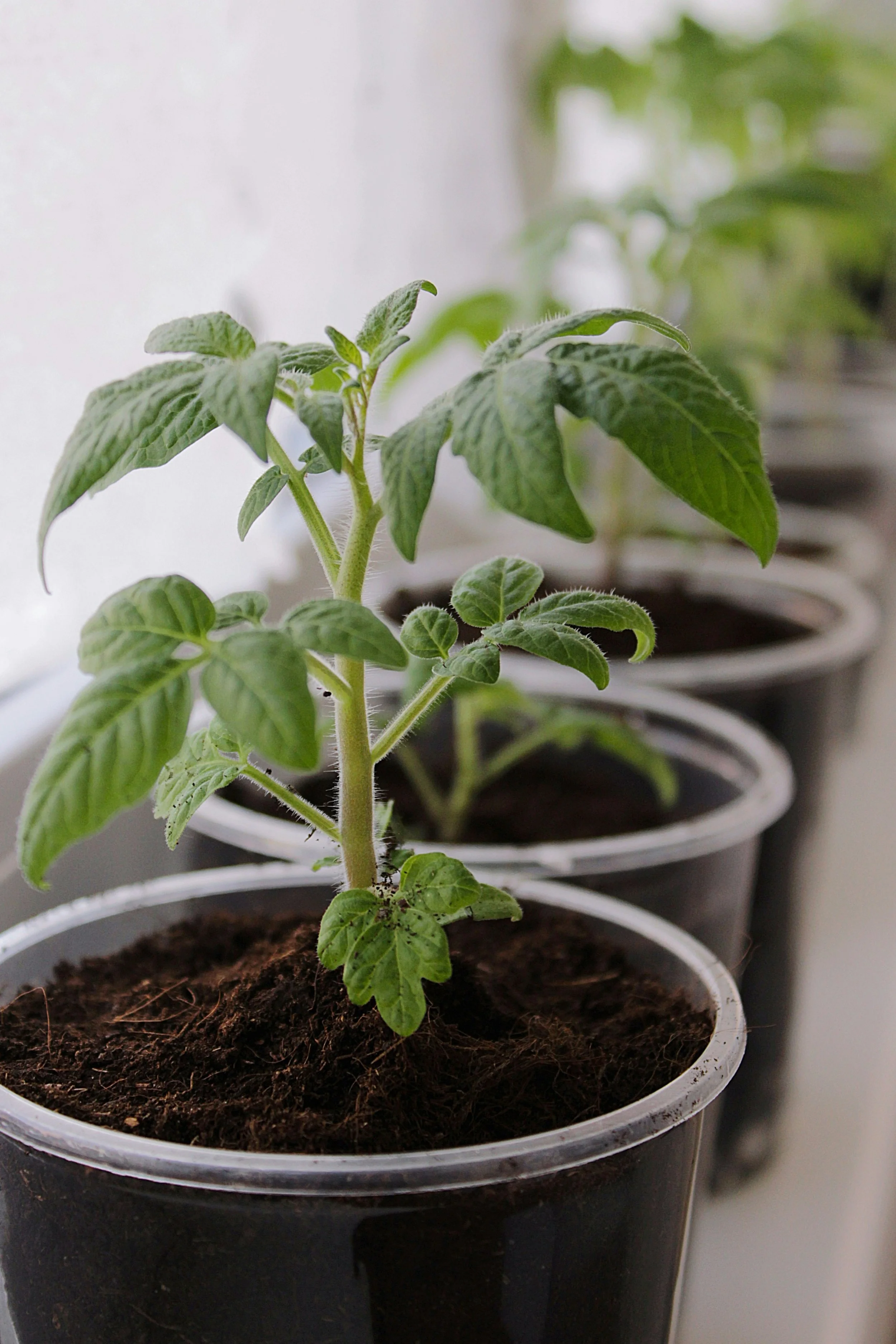
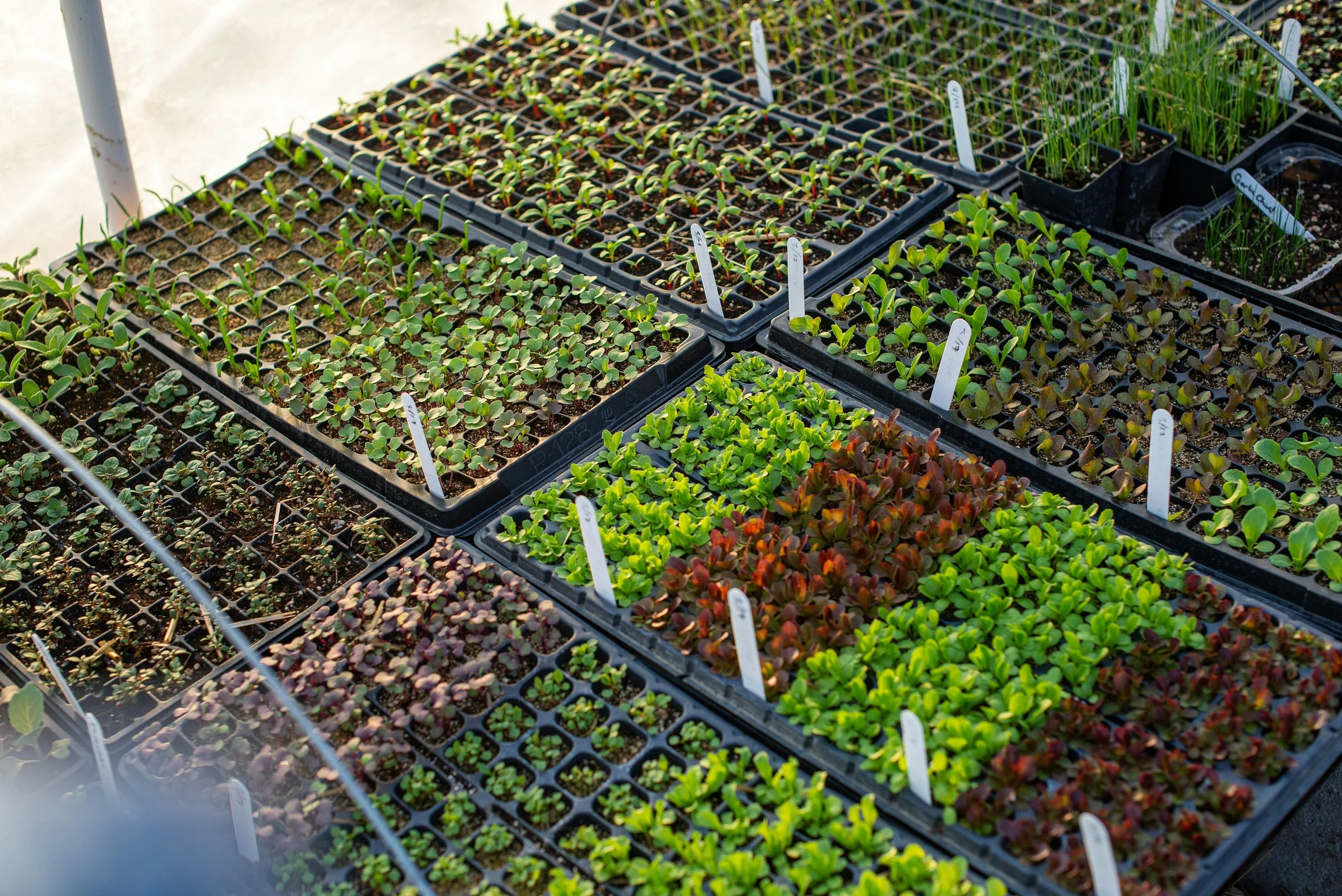
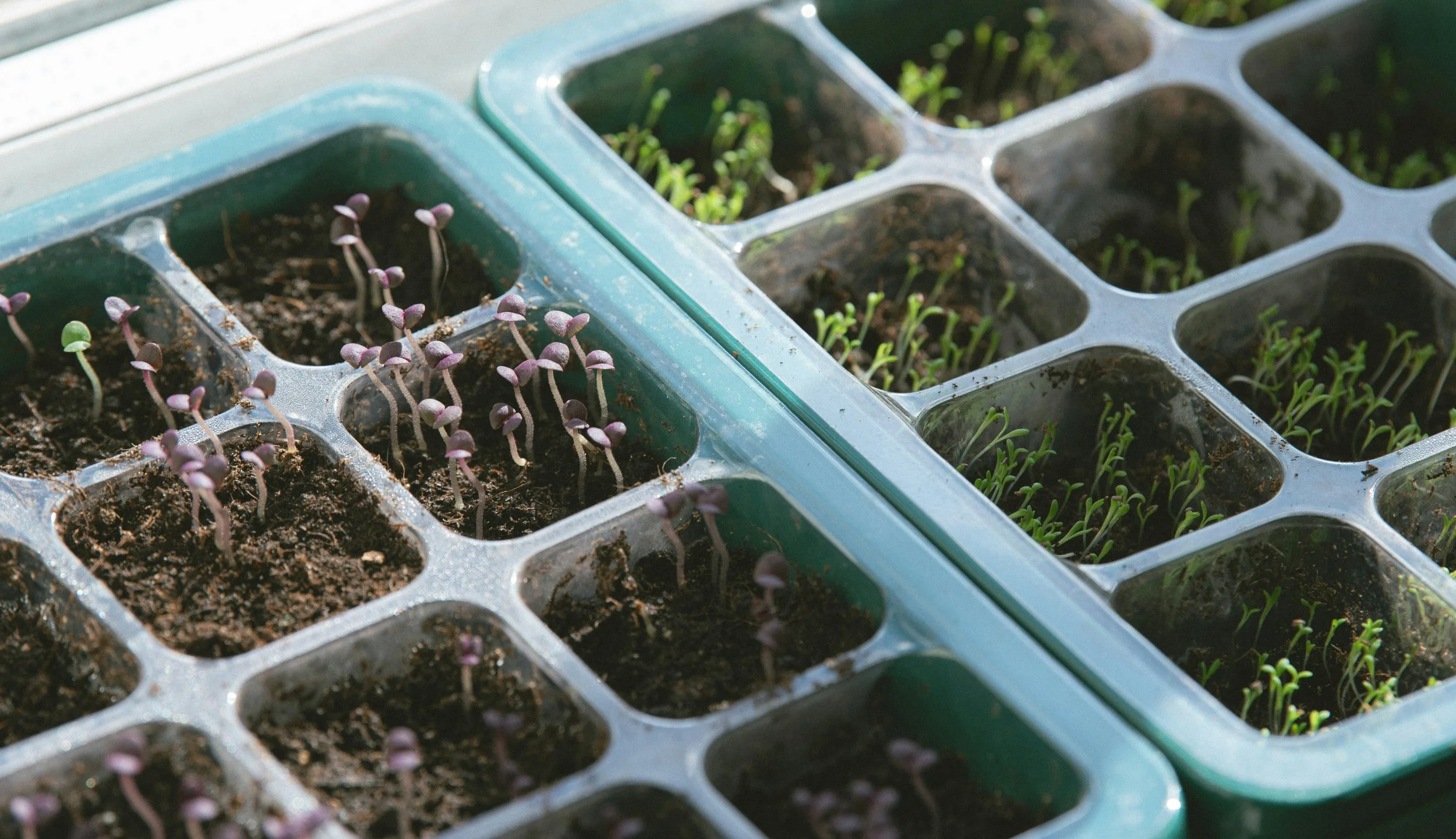
Most plants can start to go in the ground after an area’s last frost. In Zone 6, we’re generally 8–10 weeks from the last frost right now. That makes this the ideal window to start many herb, veggie, and perennial seeds. Keep in mind that some perennials require winter cold stratification, which we go over in this blog post.
Herbs and Veggies to Start Now
Onions (from seed)
Leeks
Celery
Early brassicas (broccoli, cabbage, cauliflower)
Slow-growing herbs (rosemary, thyme, oregano, parsley)
Perennials to Start Now
Swamp milkweed (Asclepias incarnata)
Butterfly weed (Asclepias tuberosa)
New England aster (Symphyotrichum novae-angliae)
Joe-Pye weed (Eutrochium purpureum)
Penstemon (Penstemon digitalis)
Culver’s root (Veronicastrum virginicum)
Herbs and Veggies to Start in Mid–Late March
Tomatoes
Peppers
Eggplant
Basil
Perennials to Start in Mid–Late March
Purple coneflower (Echinacea purpurea)
Black-eyed Susan (Rudbeckia hirta)
Wild bergamot (Monarda fistulosa)
Lanceleaf coreopsis (Coreopsis lanceolata)
Columbine (Aquilegia canadensis)
Yarrow (Achillea millefolium)
Herbs and Veggies to Direct Sow As Soon as Soil Is Workable
Cold-hardy crops can go straight into the ground 2–4 weeks before last frost; crops like:
Spinach
Peas
Radishes
Carrots
Arugula
Beets
Perennials to Direct Sow As Soon as Soil Is Workable
Little bluestem (Schizachyrium scoparium)
Switchgrass (Panicum virgatum)
Partridge pea (Chamaecrista fasciculata)
Plains coreopsis (Coreopsis tinctoria)
Wild senna (Senna hebecarpa) (may need scarification)
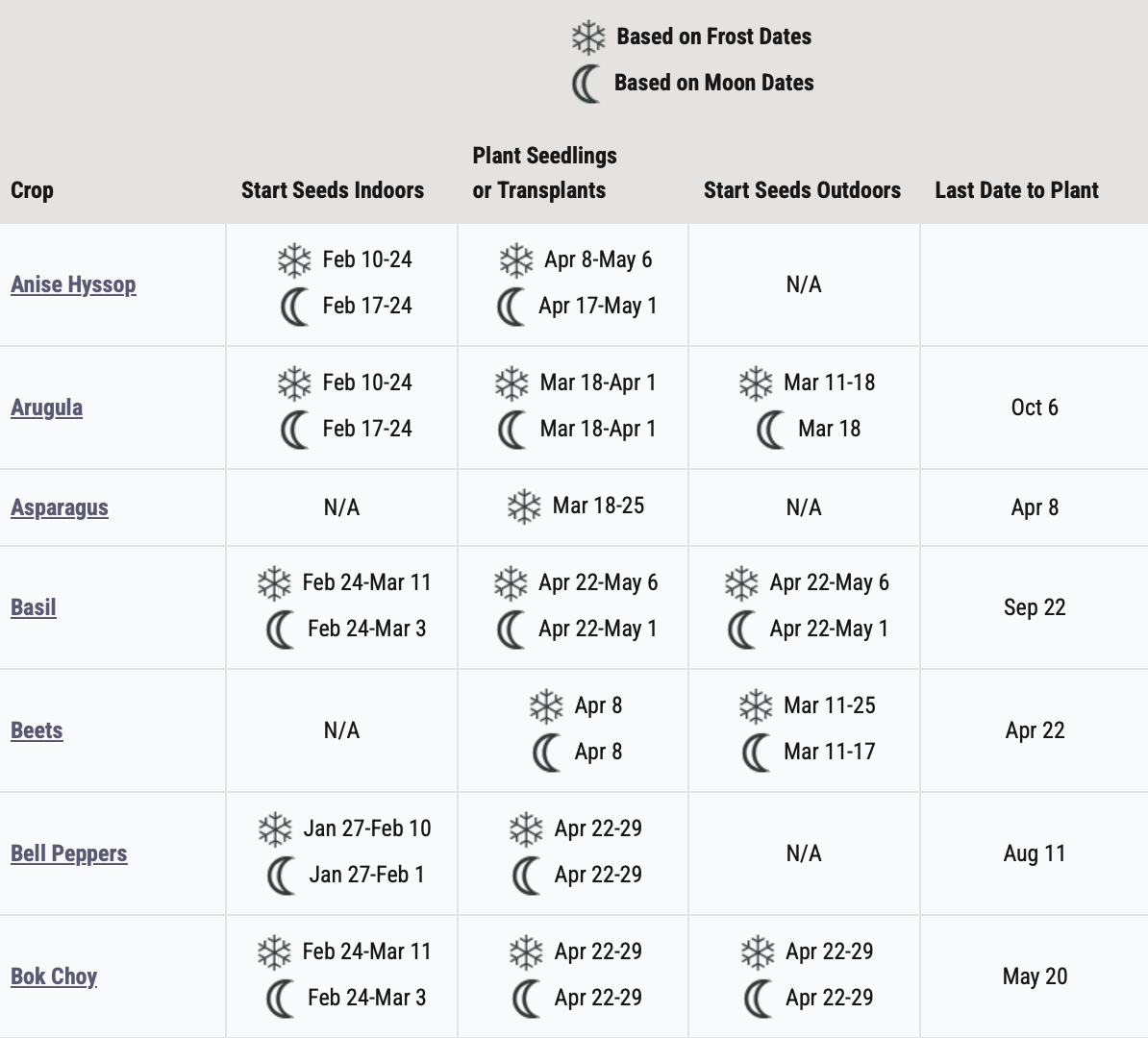
For a full chart of when to start and transplant crops in your area, check out the Old Farmer’s Almanac Planting Guide!
Setups for Strong Seedlings
Starting seeds indoors without adequate light often results in leggy, weak plants. Here’s how to avoid that.
What You’ll Need
Seed starting tray, egg carton, or plastic jug
Plastic wrap/plastic cover
Soil
Lights with LED grow bulbs
Heat mat (optional)
Timer (optional)
Instructions
1. Plant seeds
Fill the container of your choice with soil and plant your seeds, making sure to keep them moist. Cover the container with plastic wrap or another translucent cover to maintain moisture. Run lights for 14–16 hours daily for steady growth.
2. Attach grow lights
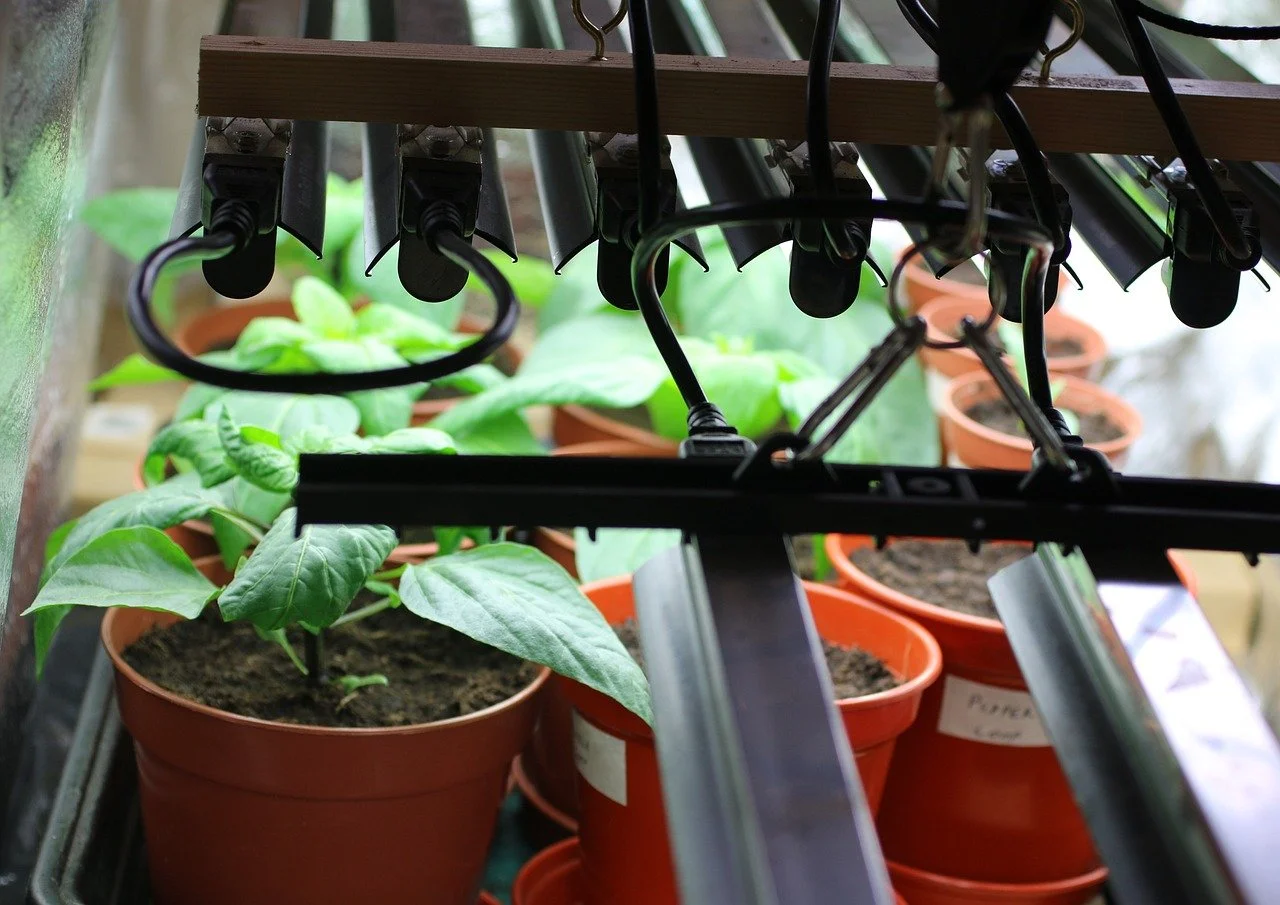
Clamp lights to the table edge, a nearby shelf, or a frame. Position bulbs so they shine directly downward onto seedlings. Keep bulbs 2–3 inches above seedling tops and adjust frequently as they grow.
3. Use a heat mat
Many plants germinate best in soil temperatures of 75–85°F - use a plant heat mat to stimulate fast, strong growth!
Once seeds have sprouted, you can remove the cover and heat mat. Water daily, and when you’re ready to plant harden the seeds off for a week before you transplant. Read more about that process here.
Soil, Water & Fertility Tips
Use a sterile seed-starting mix (not garden soil)
Keep soil evenly moist—not soggy
Bottom water whenever possible.
Begin feeding with diluted liquid fertilizer once true leaves appear
Starting seeds indoors is one of the most rewarding parts of gardening. With proper lighting, timing, and care, your seedlings will be strong, stocky, and ready to thrive when the soil warms. If you’re unsure what varieties work best in our region or want help designing a productive vegetable garden this season, reach out to us - we’re always happy to talk plants!