Easy Seed Starting For New England Natives
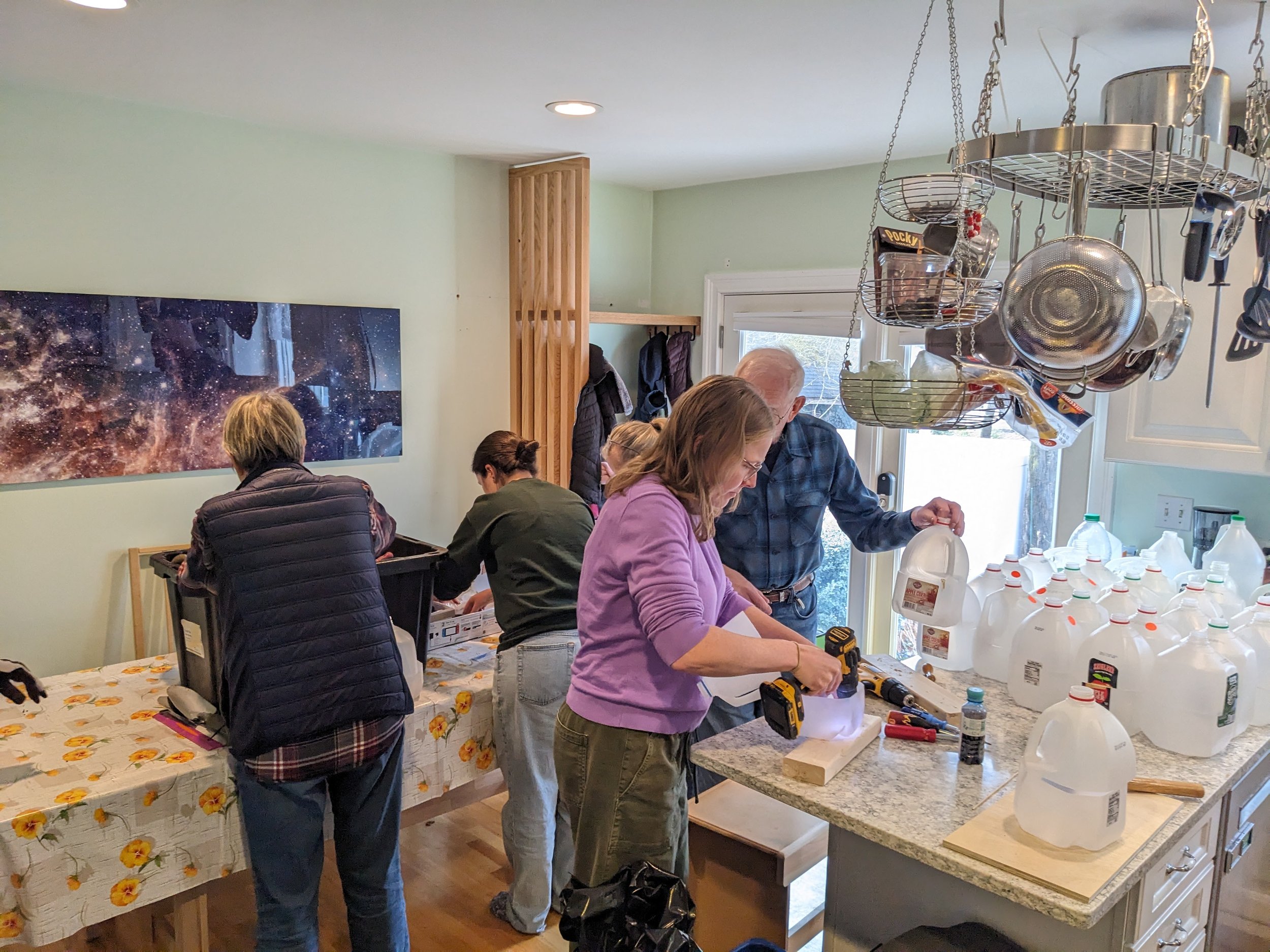
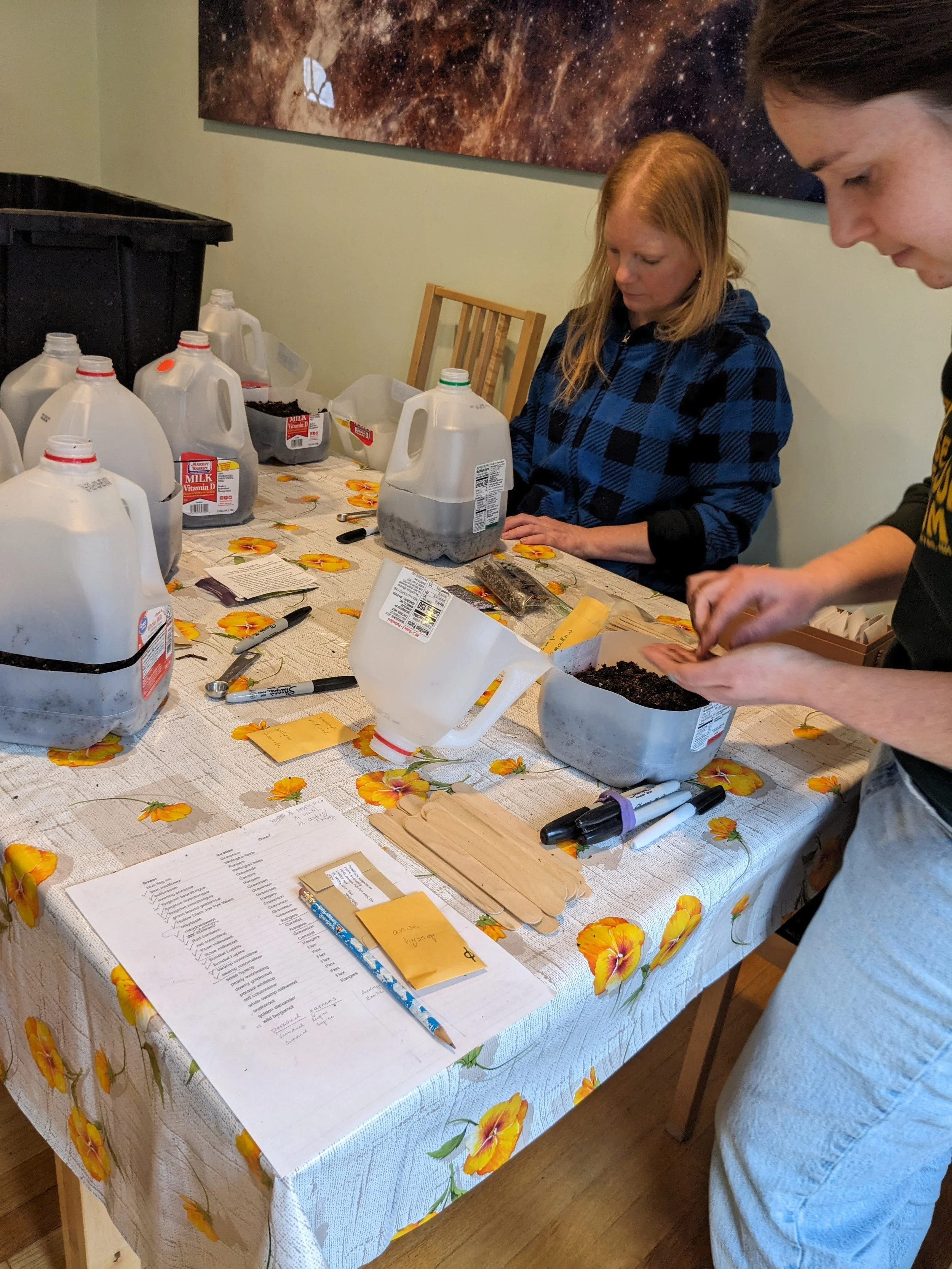
Last week, Green Urb Gardens Founder, Meghan O’Connell, volunteered with the Waltham Land Trust during their winter seed sowing event. The native seedlings the group started will be planted in parks and gardens around Waltham this upcoming spring, helping support pollinators and local ecosystems. Keep reading for a guide on how to get your hands dirty this winter and start your own seeds at home!
The Soil Mix
We start with a light, well-draining mix:
3 parts peat moss
2 parts compost
About ¾ part vermiculite
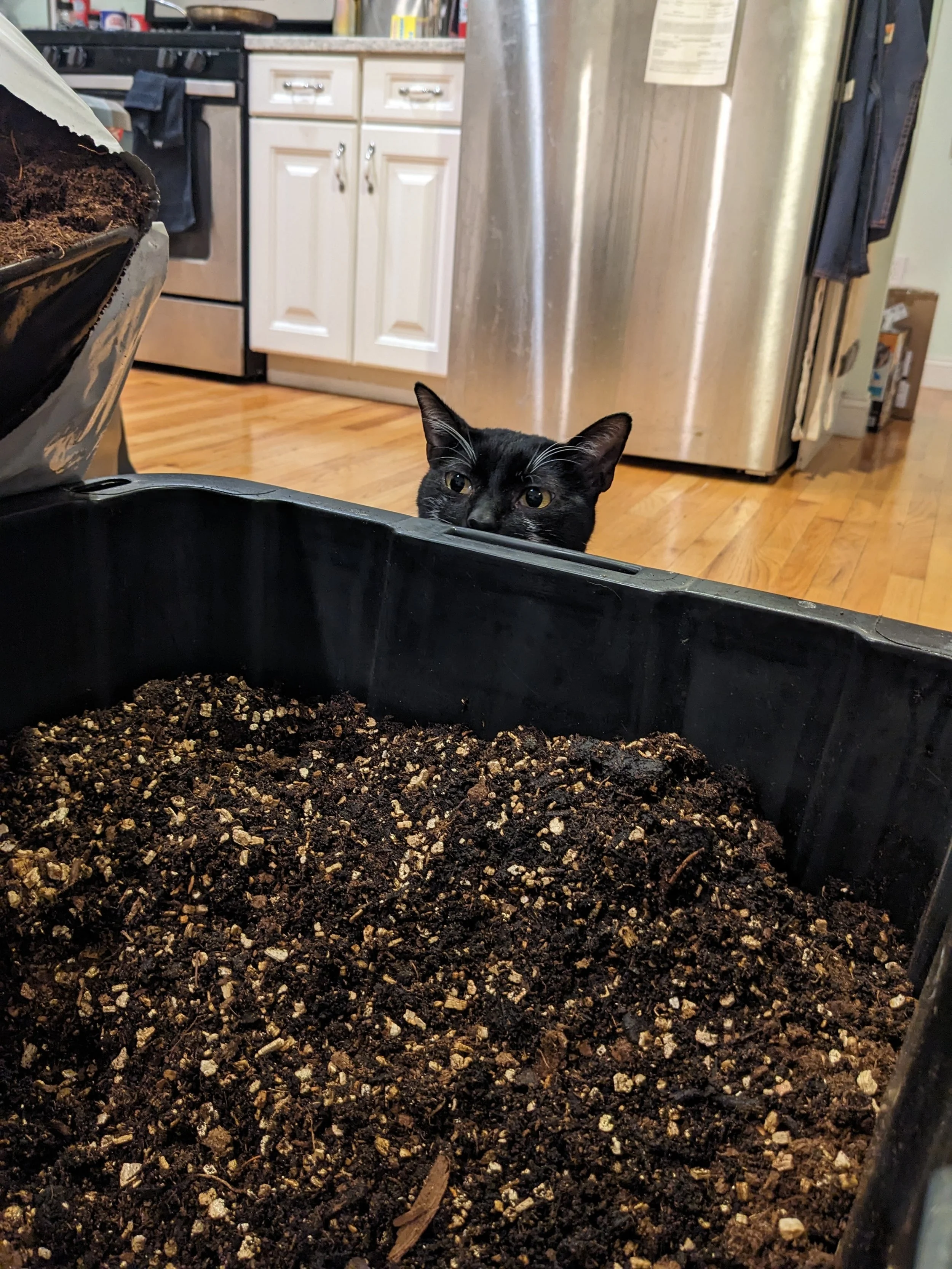
Mix up this concoction and add just enough water to make it damp but not soggy.
The Plastic Jug Method
Next, clean out an empty plastic drink jug and cut it around the middle, leaving a small section uncut so it opens like a hinge. Poke about 8 drainage holes in the bottom.
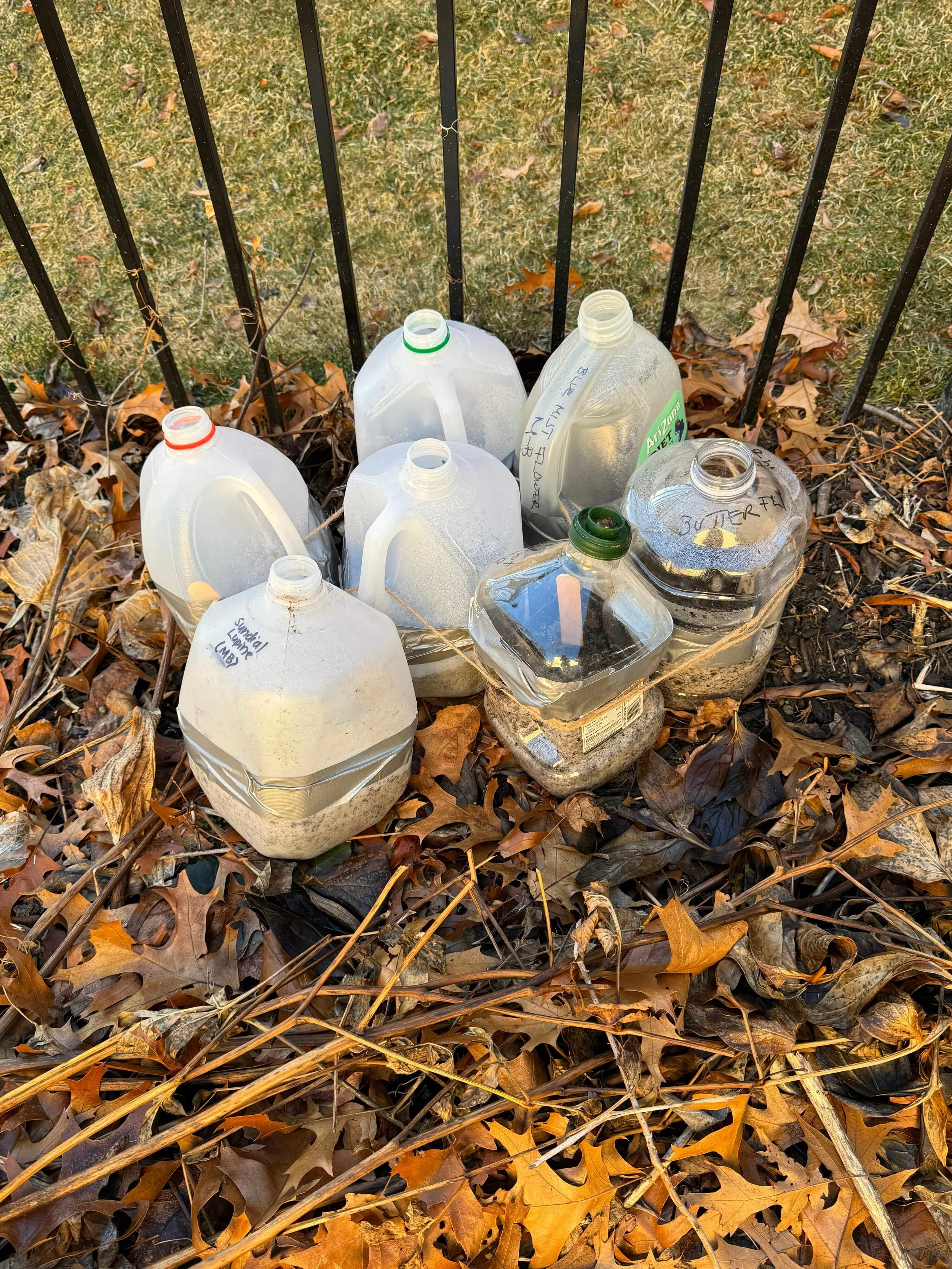
Fill the jug with your soil mix, scatter native seeds on top (don’t bury them), and give them a gentle spray of water. Close the jug, tape it shut, and place it outside in a shady spot.
There is no need to water—these mini greenhouses trap moisture and recycle it as condensation. In March, make sure the jugs get some sun so the soil can warm up and seeds can start to germinate.
Why Winter Sowing?
Many New England native seeds require cold stratification to germinate successfully. Cold stratification is a natural process where seeds are exposed to cold, moist conditions over time. In nature, this happens during winter. The cold breaks down the seed’s dormancy, signaling that it’s safe to sprout when warmer temperatures arrive. The plastic jug method mimics these natural conditions while protecting seeds from animals and extreme weather.
What’s Next?
As temperatures rise and seedlings emerge, these young native plants will be monitored and prepared for their next stage of growth. This spring, they’ll be transplanted into parks and gardens across Waltham, contributing to healthier ecosystems and more resilient landscapes.
Stay tuned! We’ll be sharing another update in April—once the leaves are out—to walk through the next steps in caring for and planting the seedlings.