What’s The Big Deal About Native Plants?
You might have heard that planting native plants is “better” than planting non-natives, but what does that actually mean? There’s a lot of information out there about plant origins, environmental impact, wildlife interactions, etcetera that can be overwhelming, but this can hopefully be an easy introduction to the topic!
The difference between native and non-native plants
A native plant is a plant that has lived in a certain area for thousands if not millions of years. It hasn’t been brought from one place to another - it has evolved with the landscape and animal populations over generations. As we have researched more about how introducing non-native plants to our landscape has impacted it, there has been an ever-growing movement to try and replenish the native species in our local environment and gardens.
Depending on plant availability and other factors, planting native can look like different things. In its truest form, a native garden consists of plants that have always existed in one’s exact township (aka “locally native” plants). However, these plants can be hard to find or don’t meet one’s criteria for what they want their garden to look like, so more often people use “regionally native” plants, or plants that are local to the entire state/broader region of the country. Planting native can also mean starting very small - we’ll talk about how you can slowly introduce native species without doing a complete redesign of your garden later on!
Non-native plant impact on the environment
Because non-natives are in a new environment, free from the natural predators/parasites that kept them in check in their original home landscape, they can sometimes spread aggressively and outcompete native plants for nutrients and sun. This can be detrimental to our native insect and animal population that relied on those native plants for shelter and food. Many insects, including bees, have evolved to only feed on a few select species of plants. When these native plants are outcompeted or replaced, the insects are too, which is a detriment to the animals that once fed on them. This is just one piece of a fragile ecosystem that is put out of balance by the introduction of non-natives. Pollinators, amphibians, mammals - almost all parts of our ecosystem are impacted, and this in turn impacts us.
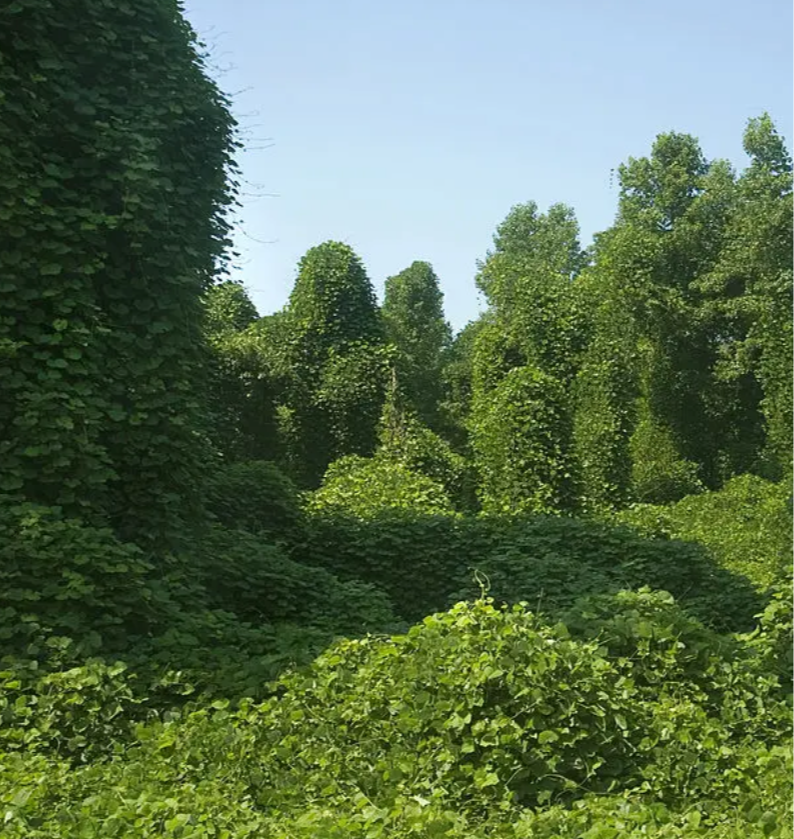
Kudzu, a vine brought to America for it’s flowers and fragrance, taking over a forest
Can planting natives in your garden really fix this problem?
Our broader human interference with the food web has been happening for hundreds of years, and it will likely take hundreds more if we are to get it back in check. However, one person planting natives in their small garden can definitely make a difference. We have been seeing amazing results with areas that add native plantings - soil health improves, pollinators return, insects and microscopic organisms that support our natural world flourish. It’s amazing what just one native garden in a sea of non-natives can do, and imagine what will happen as more people start introducing natives to their garden!
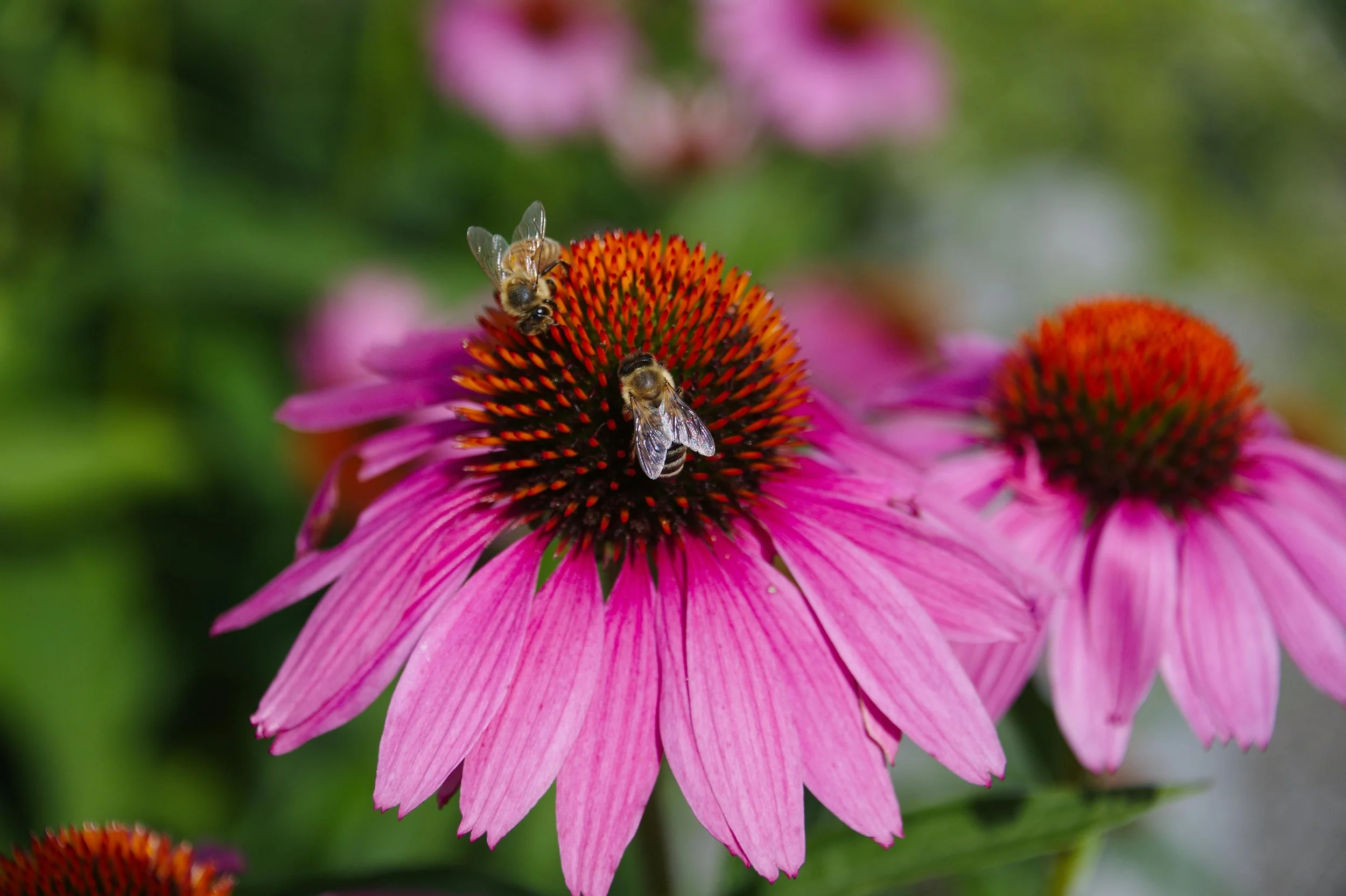
Bees love our native Echinacea flowers. When choosing plants, go for the original or “straight” species over using heavily bred hybrids, which may not offer the same benefits to the ecosystem.
Benefits to you and your garden
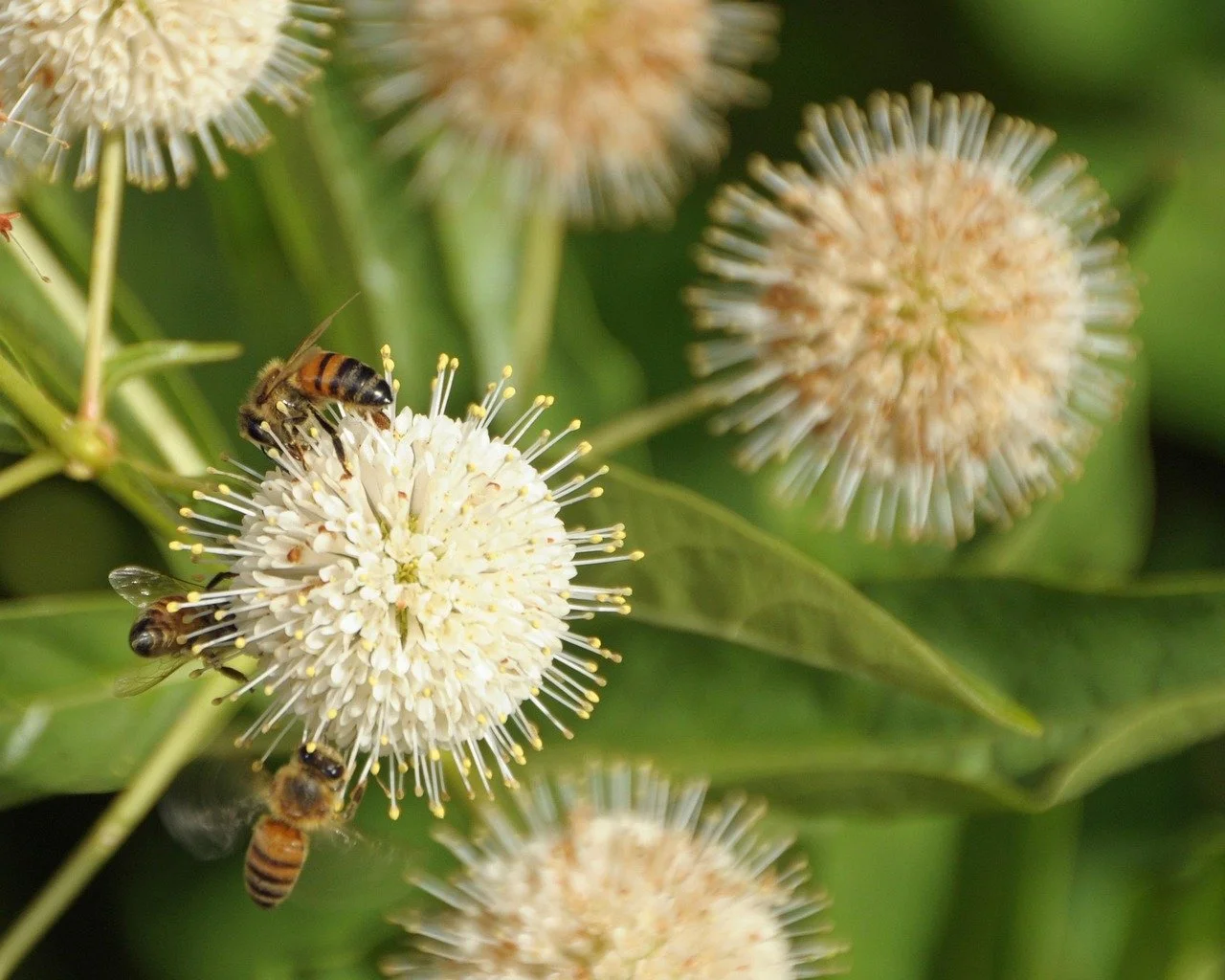
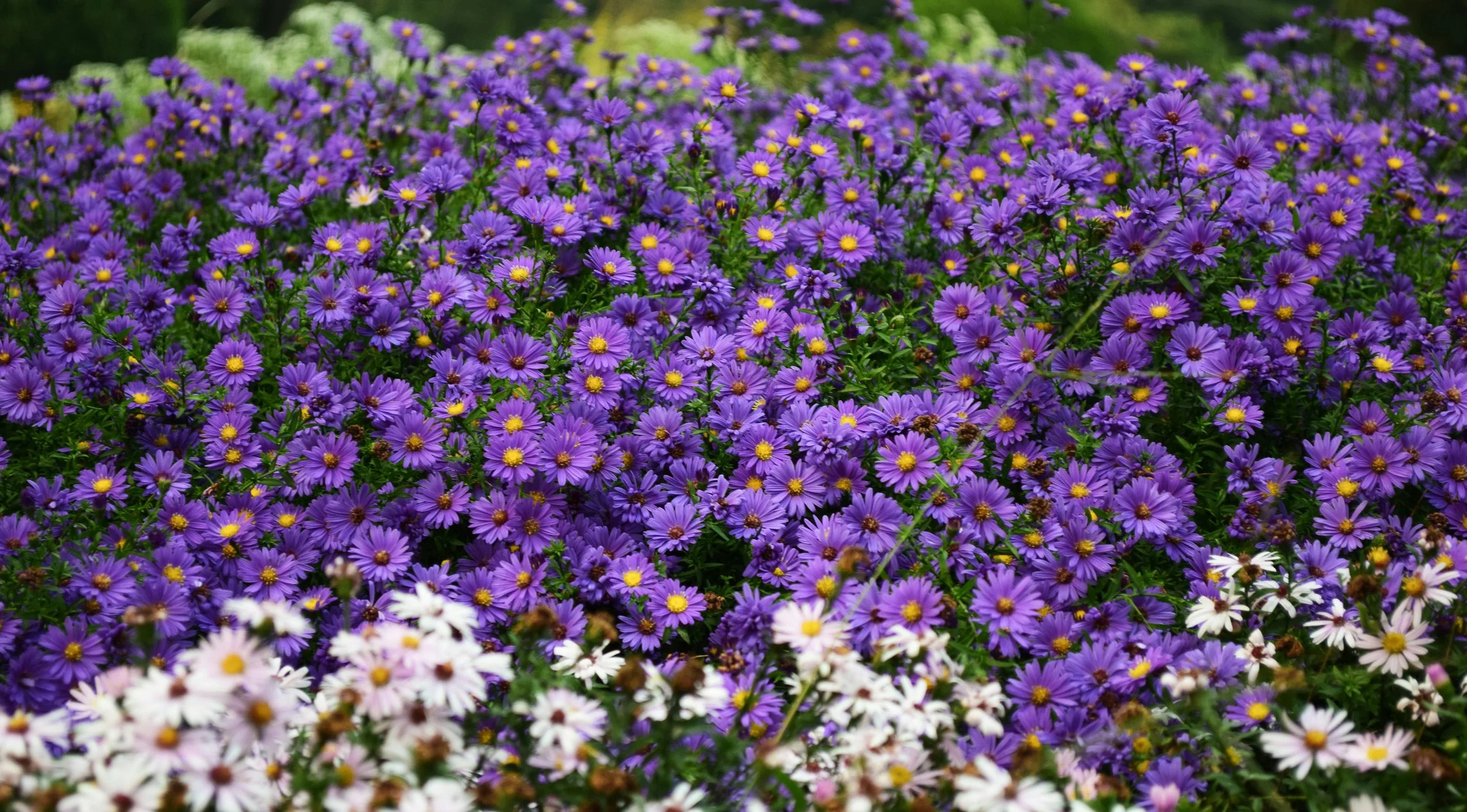
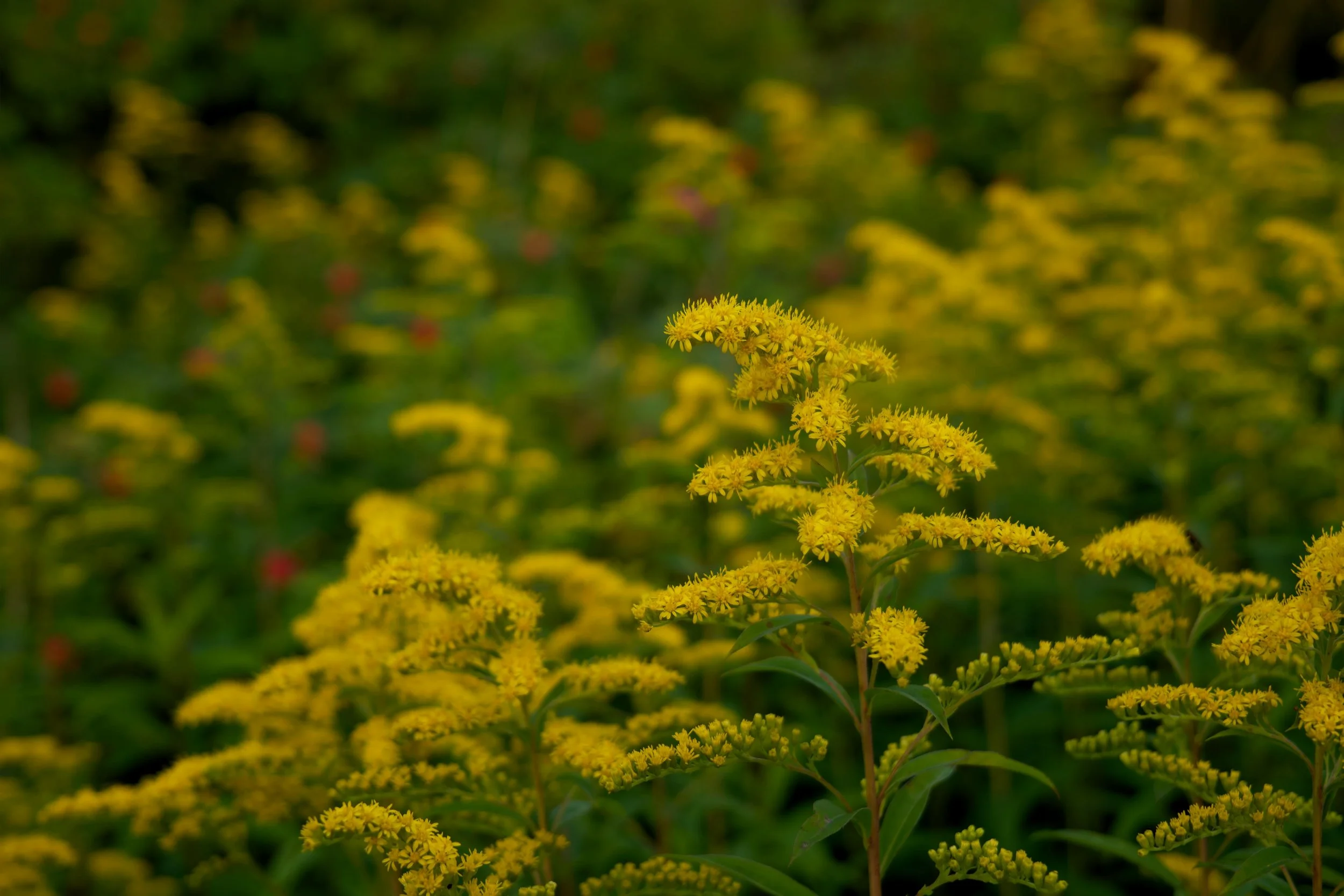
Helping out the environment is great, but you’d be surprised with the other benefits a native garden will bring! Because native plants are adapted to the temperatures, soil conditions, diseases, and rainfall in certain areas, they are much more likely to be resilient and low-maintenance. They don’t need to be watered as often, they help maintain your soil’s structure, and are less prone to disease. There’s a common misperception that natives are ugly and cannot be considered ornamentals, but there are some amazing-looking plants that can make your garden stand out! Some of our favorites include Buttonbush, Black Cohosh, Eastern Redbud, Goldenrod, Aster, Milkweed, Winterberry, and many more.
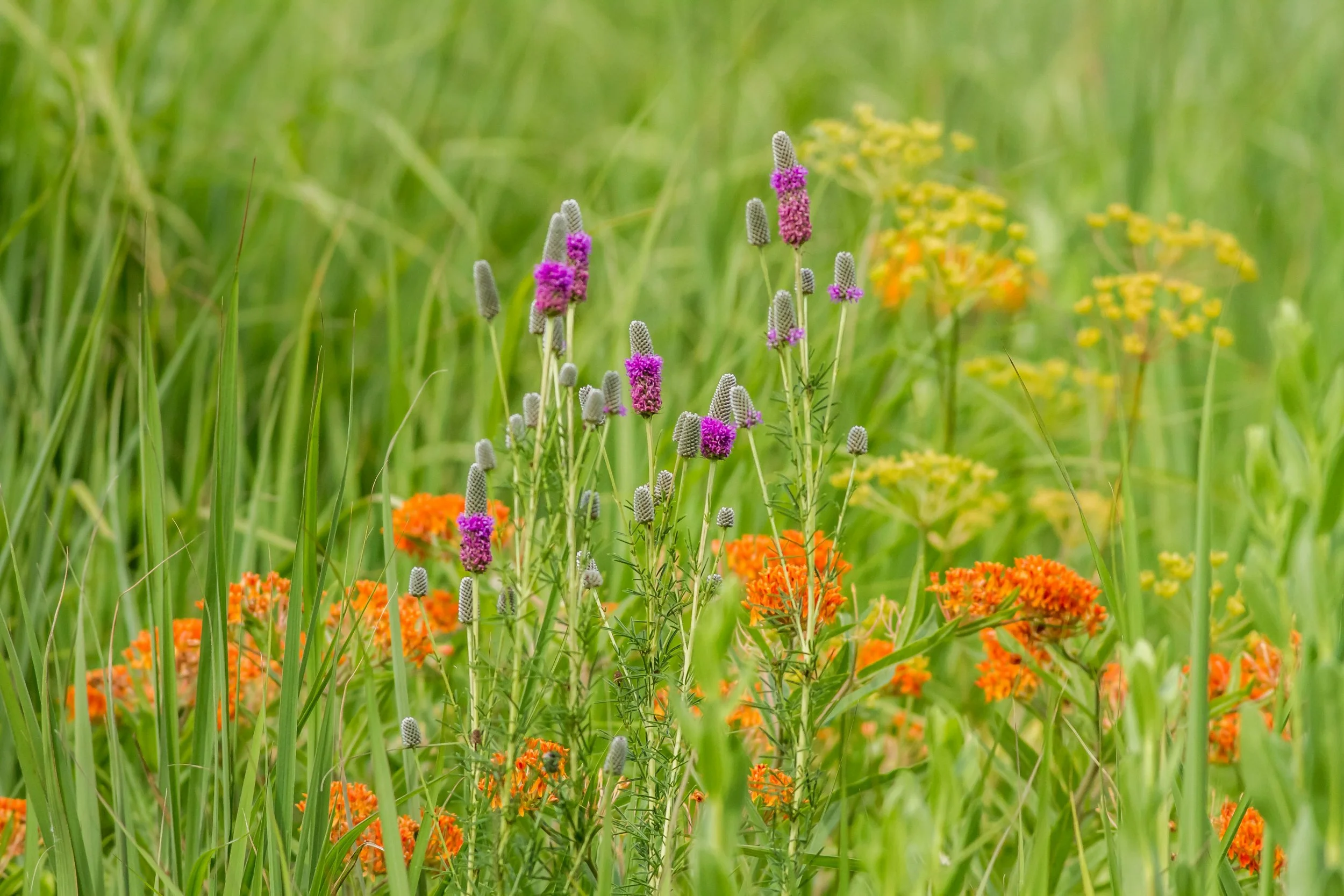
“Going native” doesn’t mean a total overhaul
Many of the most detrimental effects of non-native plants are happening in forests, not your personal garden. Many non-native plants that you might already have planted can have some great effects on the landscape, such as providing pollen to pollinators and creating nesting opportunities for insects. If you want to make your landscape more friendly to our ecosystem, the answer probably isn’t ripping everything out! Many people start small, adding a just few natives to their gardens every year.
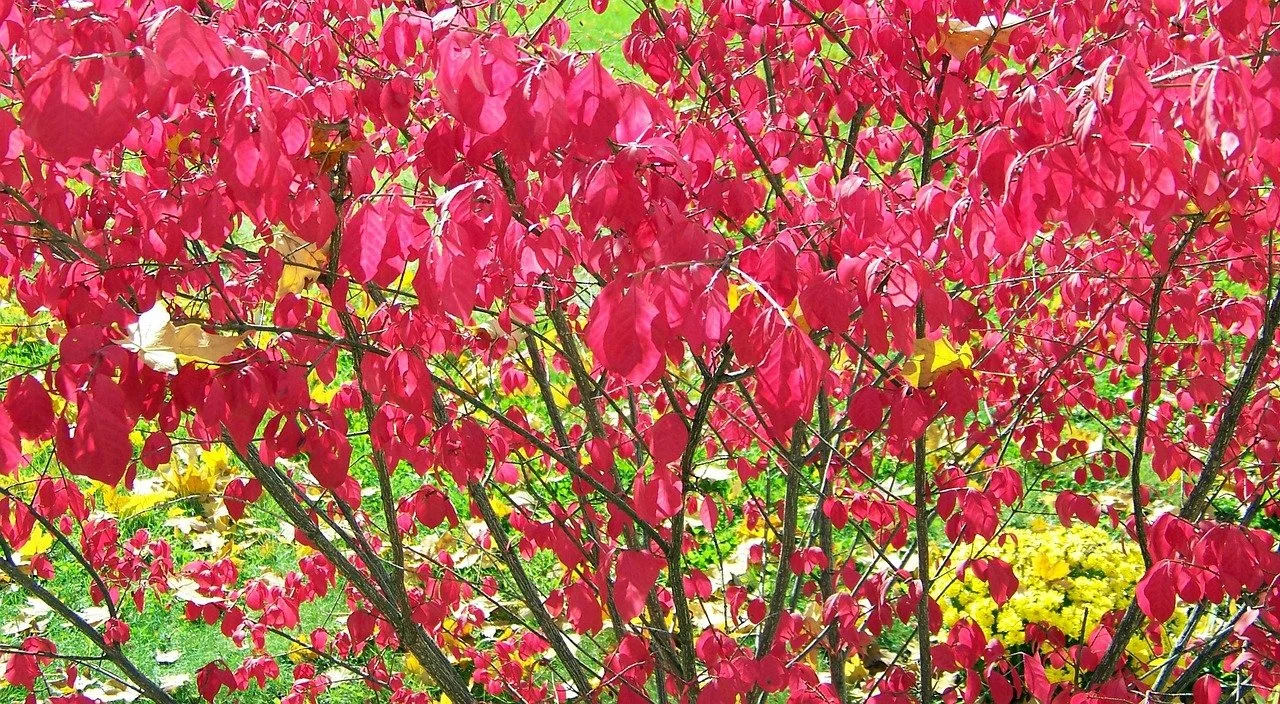
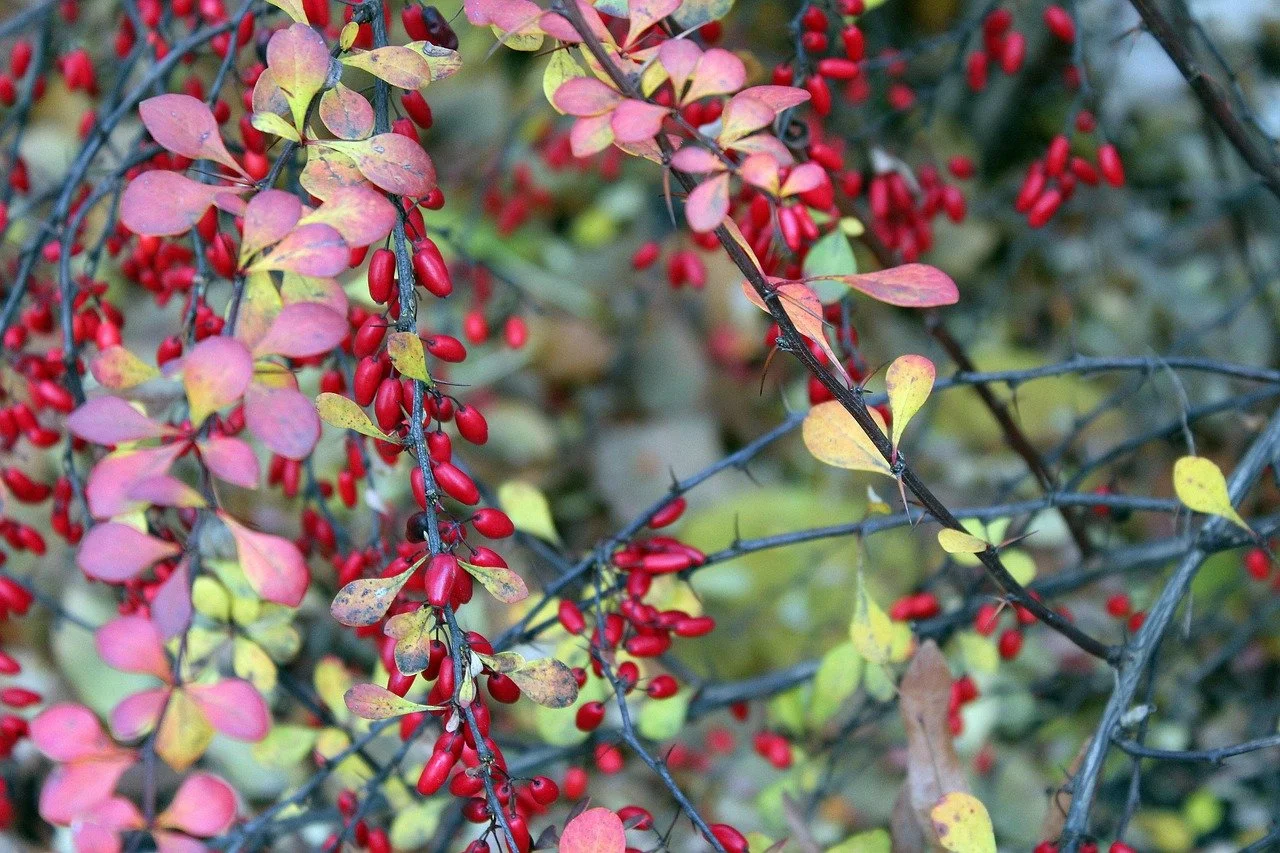
Another great place to start is by removing invasive plants that once used to be popular landscape ornamentals, such as Winged Euonymous (aka Burning Bush, left) or Japanese Barberry (right). Although birds love to eat their berries, these shrubs are now considered invasive because of their aggressive growing habits that easily overtake important native plants in our ecosystems, particularly when their seeds inevitably land in parks and forests where they can spread unchecked!
Join us in our mission to support our local ecosystem - contact us to discuss how we can help you go native! Use the Contact page to schedule your consultation today!
Sources to check out: