The Reality of Pesticide Use
As we’re getting ready to dive into this spring season, it’s important to create a plan on how you’re going to protect your plants against pests this year. Different pests target different plants and create different issues, so it can be compelling to use a one-size-fits-all solution in the form of pesticides. Pesticides might promise a pristine garden—but in our gardens they can quietly undo the very ecosystems you’re trying to support.
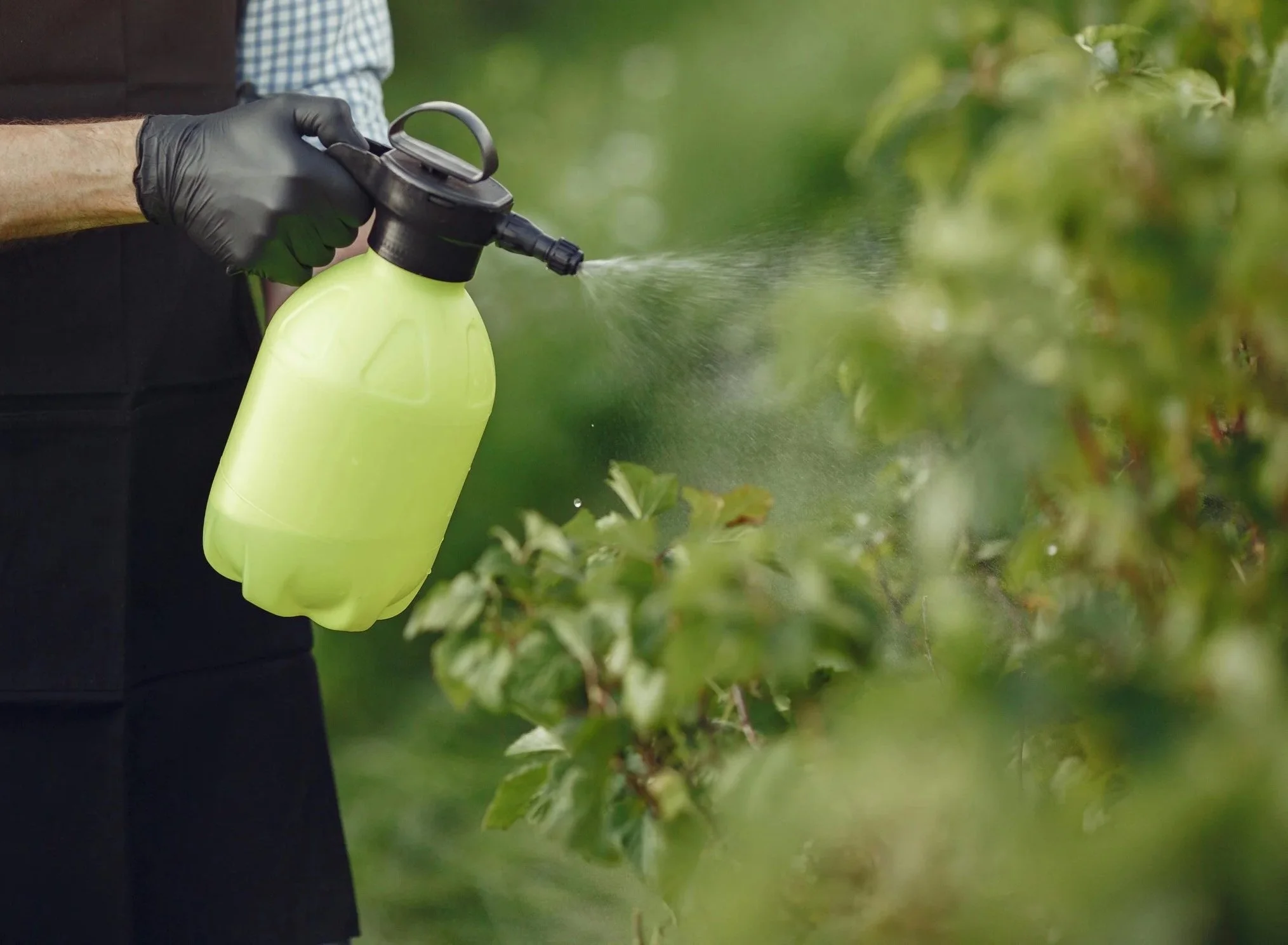
At Green Urb Gardens, we have committed to using a 100% pesticide-free pest management approach.
If you’re planting with pollinators in mind, this matters even more.
Common pesticides don’t just kill nuisance insects - they also kill bees, butterflies, moths, beetles, and other pollinators that rely on the plants you spray for food and habitat. Even systemic pesticides that you inject/water in, not spray, can move through a plant’s tissues, meaning pollen and nectar themselves may carry harmful residues. Our region’s plants have co-evolved with local pollinators over thousands of years, providing the exact timing, structure, and nutrition those species need to survive. When pesticides enter the picture, that relationship breaks down.
You might not notice it right away. But over time, fewer bees visit. Fewer caterpillars survive to become butterflies. Birds—who rely on those insects to feed their young—start to disappear too. What looks like a “clean” garden can actually become an ecological dead zone.
There are other detrimental impacts of pesticides. Many products reduce microbial life in the soil, which can be very harmful. By reducing soil nutrients, this breaks down the strength of your soil, which in turn can weaken plants and even encourage more pests to attack it in its weakened state. Other pesticides can linger in the environment for years, affecting not just your garden beds but nearby waterways through runoff. Pesticides can even cause danger to human health, which you can find information about from the US Environmental Protection Agency here.
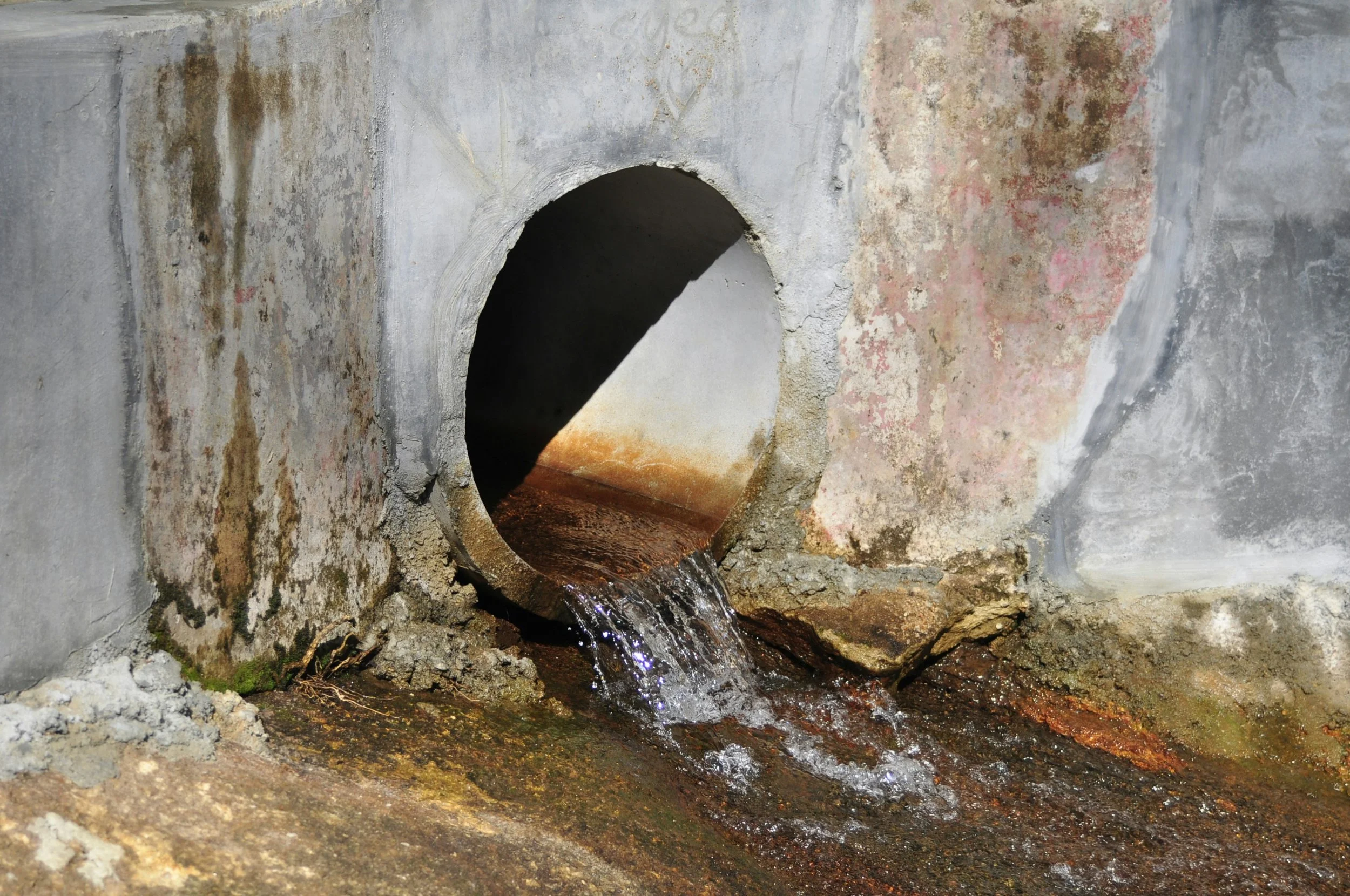
Waterway contamination is especially important in our region, where watersheds are closely connected.
There’s also the issue of resistance. Over time, pests exposed to repeated pesticide use can adapt, becoming harder to control. That often leads to needing to use stronger chemicals or more frequent applications, creating a cycle that’s tough to break—and ultimately less effective.
But the good news? Native plant gardens are naturally built to resist major pest problems if we let them. Instead of aiming for perfection, the goal is balance.
A native oak, for example, can host hundreds of species of caterpillars. That might sound alarming, but it’s actually a sign of a healthy system. Those caterpillars are food for birds and part of a cycle that keeps any one species from taking over. Similarly, a few aphids on a shrub often attract beetles and other predators, which quickly step in as natural controls.
For natural pest prevention, focus on a few key practices:
Focus on having healthy soil. Adding compost, mulching, and minimizing soil disturbance all support beneficial microbes and help plants grow stronger and more resilient to stress and pests.
Plant densely and diversely. Layering native perennials, grasses, and shrubs creates habitat and makes it harder for pests to spread unchecked.
Use hands-on methods when needed. If a specific plant is struggling, targeted pruning, covering the plant with netting, or hand-picking (and squishing) pests.
Sustainable gardening isn’t about eliminating every pest—it’s about creating a system where no single problem gets out of control. A few chewed leaves are part of a healthy, functioning garden. In the long run, reducing or eliminating pesticide use protects more than just your plants. It supports pollinators, improves soil health, safeguards local water systems, and creates a safer space for people, pets, and wildlife.