Where to Buy Native Plants
If you are looking to add more native plants to your garden, and don’t know where to look, you’re in the right place! We are extremely lucky here in Eastern Massachusetts to be surrounded by many growers that specialize in natives. This list isn’t comprehensive, but here are some spotlights of local growers an hour’s drive or less from the Boston area.
City Natives - Boston, MA
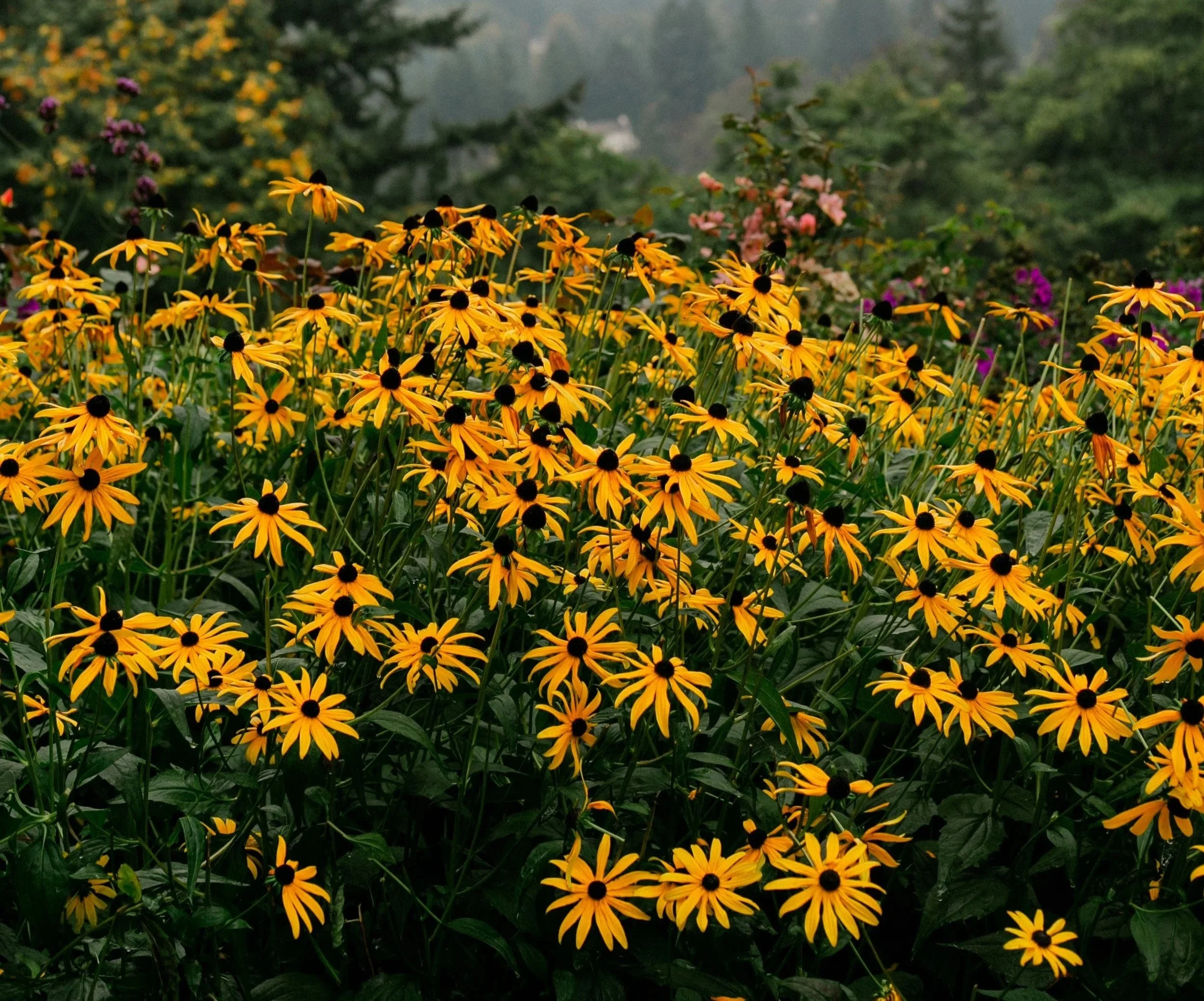
Under the Trustees of Reservations, City Natives propagates over 200 species of native plants. The revenue from their seasonal sales of perennials, veggies, and more benefit the community gardens of Boston. Along with plant sales, City Natives hosts workshops, field trips, and volunteering opportunities! Check them out at their upcoming May 2026 plant sale - preorders are open now!
Blue Stem Natives- Norwell, MA
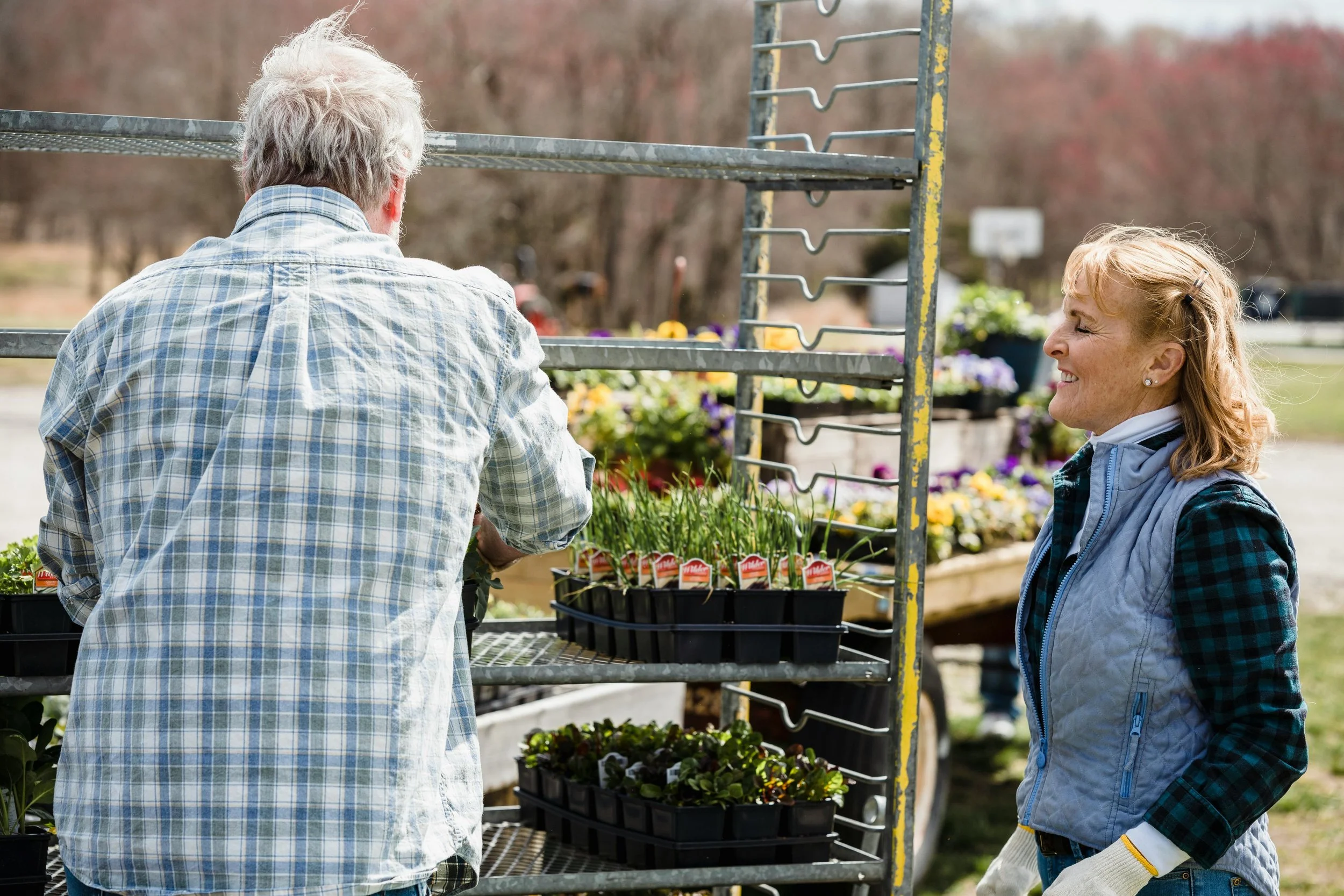
Blue Stem Natives is a woman-owned native-only nursery, specializing in growing their native plants from seed to encourage genetic diversity. Along with their straight sourced plant sales - some of which they do from a renovated horse trailer - they have an extensive amount of educational resources available on their website to learn more about natives.
Grow Native Massachusetts - Lexington, MA
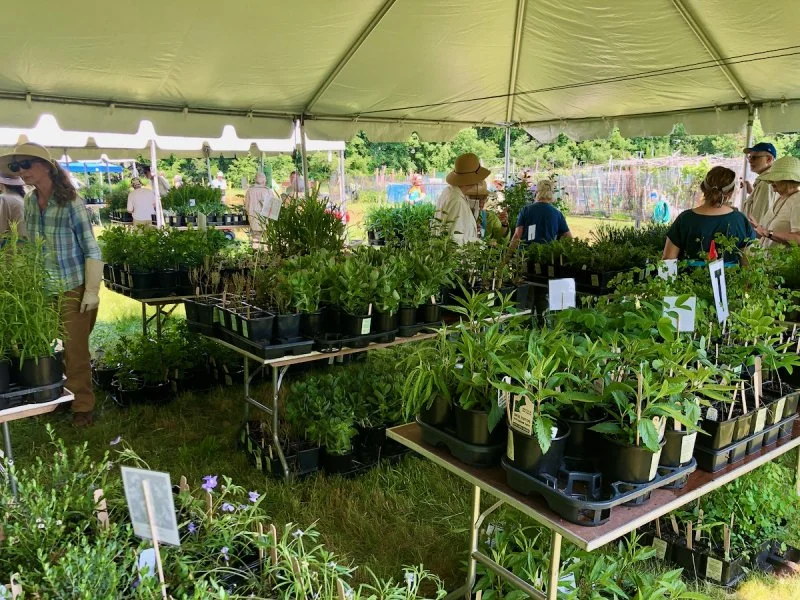
Grow Native Massachusetts aims to connect native plants and communities, with the goal of making both stronger. Most of their work involves community outreach and workshops, which includes multiple pop-up native plant sales throughout the year. They also have an annual larger Native Plant Sale with over 6,000 plants representing over 150 native species - check out this year’s sale on May 29th & 30th, 2026! A photo from their annual spring plant sale is featured above (#3).
Be sure to also review this comprehensive list of New England nurseries that use limited to NO chemicals on their plants, put together by a Grow Native group called Massachusetts Pollinator Network (MAPN)! More info can be found at the bottom of this article.
Lady Fern Farm - Worcester, MA
Hosting plant sales and private pre-orders, Lady Fern Farm is a woman-owned native plant nursery with a strong commitment to selling straight sourced Northeast native plants. The farm has an extensive inventory and provides enriching educational workshops, all with the goal of providing non-cultivar natives to protect our ecosystem.
Native Plant Trust - Framingham & Whately, MA
Being America’s first plant conservation organization, Native Plant Trust saves native plants in the wild, grows them for gardens and restorations, and hosts many workshops and educational opportunities. Two of their properties - Garden in the Woods and Nasami Farm - sell an ever-increasing selection of native annual and perennial herbaceous plants.
An important note from Green Urb Gardens Owner: Where you buy your plants matters!
For a comprehensive list of New England plant nurseries that will REALLY up your pollinator-support game, check out THIS list of local growers who use limited to NO CHEMICALS on their plants! This ever-evolving list has been created by the wonderful folks at Massachusetts Pollinators Network, a group formed under the non-profit organization Grow Native Massachusetts. Be sure to read the first page of this excel document, as it explains the rating system they’ve put in place for identifying which nurseries use absolutely zero chemicals on their plants to nurseries that use some chemicals, but not any neonicotinoids (aka neonics), which have been shown to be the most detrimental to pollinator populations. With this document, you can find nurseries organized by regions in MA, nurseries in other states (New Hampshire, Rhode Island, New York, Maine, New Jersey and more), non-traditional plant growers who may operate their own small greenhouse or seasonal plant-sale programs, as well as neonic-free tree nurseries.
There is also this list of local nurseries that grow and sell native plants, created by the Massachusetts Department of Agricultural Resources. We do not know which nurseries, if any, have been verified to not use chemicals on their plants which may harm pollinators, so please do your due diligence.
The more that customers and landscaping businesses ask about chemical-use practices at nurseries, the more we hope those nurseries will begin to pay attention to the importance of limiting (and eliminating!) pesticide use as much as possible. So let’s show those smaller nurseries more love for their ecologically-friendly practices and keep asking questions!
~Meghan O’Connell